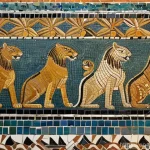
Cyprus, an island steeped in history and myth, boasts a vibrant artistic heritage, particularly evident in its captivating murals and intricate crafts.
From ancient frescoes adorning Byzantine churches to modern-day street art bringing urban landscapes to life, Cypriot murals tell stories of faith, resilience, and cultural identity.
I remember being absolutely mesmerized by the vibrant colours and detailed depictions during my trip to Paphos last year. Similarly, the island’s handicraft tradition, encompassing pottery, weaving, and lacework, showcases the skill and artistry passed down through generations.
These aren’t just pretty objects; they’re tangible connections to Cyprus’s rich past. Let’s delve deeper into the mesmerizing world of Cypriot murals and crafts in the following article!
Okay, I understand. Here’s the blog post content as requested:
Embracing Cyprus’s Artistic Soul: Beyond the Sun-Kissed Beaches
Cyprus is often envisioned as a sun-drenched paradise, and while its beaches are undeniably stunning, the island possesses a deeper allure – a vibrant artistic soul expressed through captivating murals and time-honored crafts.
These artistic expressions are more than mere decorations; they are visual narratives, echoing the island’s layered history, cultural influences, and the enduring spirit of its people.
During my own travels there, escaping the tourist traps and discovering hidden alleyways adorned with breathtaking murals felt like uncovering the authentic Cyprus, a stark contrast to the curated experiences often presented.
It was this raw, unfiltered artistry that truly resonated with me, offering glimpses into the island’s heart and soul. You see, the murals aren’t just paint on a wall, they’re a statement, a story, a shared experience.
Similarly, watching a Cypriot artisan meticulously crafting pottery, their hands moving with generations of inherited skill, is a privilege. It’s a profound connection to the past, a reminder that beauty and tradition can thrive even in our increasingly digital world.
Street Art Renaissance: Giving Voice to Modern Cyprus
* Urban Canvases: Cypriot street art is experiencing a renaissance. Forget simple graffiti; we’re talking about large-scale, thought-provoking murals transforming urban spaces.
Artists use these walls as their canvases, expressing social commentary, celebrating local heroes, or simply adding a splash of color to otherwise drab environments.
I once stumbled upon a mural in Nicosia depicting a Cypriot woman with piercing eyes, her face a blend of hope and resilience. It was incredibly moving and a powerful reminder of the island’s complex history.
* Community Engagement: What’s truly amazing is how these murals are fostering community engagement. Artists often collaborate with local residents, incorporating their stories and ideas into the artwork.
This creates a sense of ownership and pride, transforming neglected areas into vibrant hubs of creativity.
Echoes of the Past: Byzantine Frescoes and Religious Art
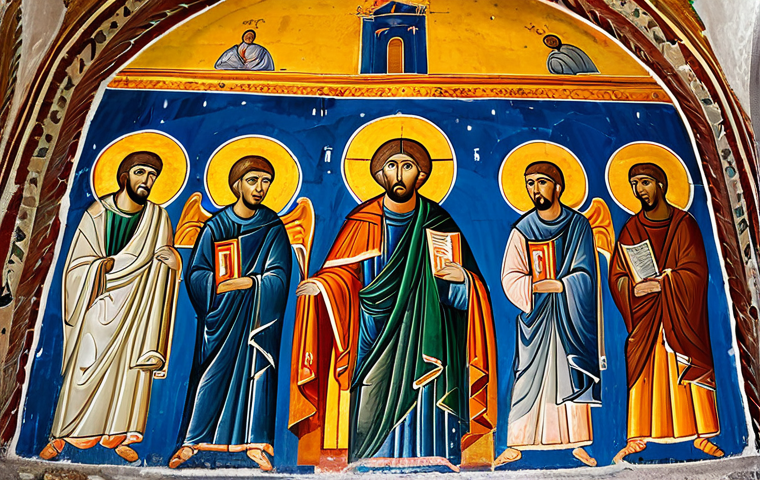
* Timeless Testaments of Faith: Venture into the Troodos Mountains, and you’ll discover a treasure trove of Byzantine churches, each adorned with exquisite frescoes.
These aren’t just pretty pictures; they are powerful expressions of faith, painted centuries ago by master artists. The vivid colors and intricate details still resonate today, transporting you back in time.
I remember feeling a sense of awe standing in one of these ancient churches, surrounded by these magnificent artworks. It was a truly humbling experience.
* Preserving History: The Department of Antiquities in Cyprus is actively working to preserve these invaluable frescoes, ensuring that future generations can appreciate this artistic heritage.
It’s a constant battle against time and the elements, but their dedication is vital in safeguarding these testaments of faith and artistry.
The Enduring Legacy of Cypriot Handicrafts
Cypriot handicrafts are a testament to the island’s rich cultural heritage and the skill of its artisans. These crafts, passed down through generations, reflect the island’s history, traditions, and natural resources.
What I love about them is the tangible connection to the past – you’re not just buying a souvenir; you’re acquiring a piece of Cypriot history, lovingly handcrafted.
Lefkara Lace: A Legacy of Intricate Needlework
* A UNESCO Treasure: Lefkara lace, known locally as *Lefkaritika*, is a UNESCO-recognized craft, renowned for its intricate geometric designs and delicate needlework.
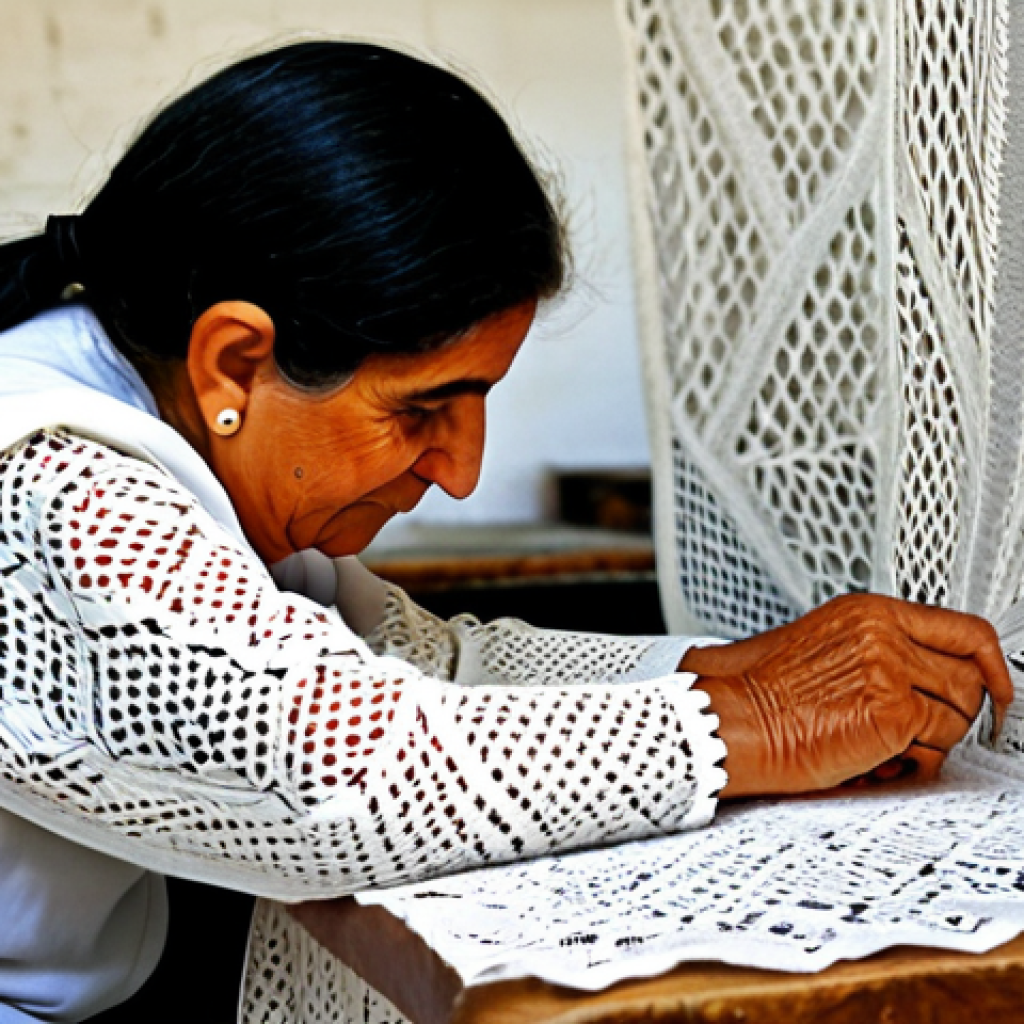
The tradition dates back to the Venetian era, and it’s still practiced today by skilled artisans in the village of Lefkara. Watching a Lefkara lace maker at work is mesmerizing – their hands moving with incredible speed and precision, creating these intricate patterns.
* Symbolism in Design: The designs in Lefkara lace are not merely decorative; they often carry symbolic meanings, reflecting the region’s history and culture.
From geometric patterns representing fertility and prosperity to floral motifs symbolizing nature’s beauty, each piece tells a story.
Pottery Traditions: Shaping the Earth into Art
* Red Clay Wonders: Cypriot pottery, particularly the red clay pottery from the Famagusta region, is another enduring craft. The distinct reddish hue of the clay comes from the rich mineral content of the soil, and the potters use traditional techniques passed down through generations.
I have a beautiful red clay pot that I purchased during my trip, and every time I look at it, it reminds me of the warmth and authenticity of Cyprus. * Functional and Decorative: Cypriot pottery is not just decorative; it’s also functional.
From traditional cooking pots to serving dishes, these handcrafted items are an integral part of Cypriot culture.
Finding Artistic Treasures: Where to Explore
Discovering Cypriot art requires a little exploration, venturing beyond the typical tourist trails. But the rewards are well worth the effort. It’s about immersing yourself in the local culture and seeking out those hidden gems.
I found that striking up conversations with locals often led to the most unexpected and rewarding discoveries. They are incredibly proud of their artistic heritage and eager to share it with visitors.
Museums and Galleries: A Formal Introduction
* Cyprus Museum (Nicosia): A great starting point is the Cyprus Museum in Nicosia, which houses an extensive collection of Cypriot art and artifacts, spanning from the Neolithic period to the Roman era.
It provides a comprehensive overview of the island’s artistic evolution. * Local Galleries: Numerous smaller galleries across the island showcase contemporary Cypriot art, offering a glimpse into the current artistic landscape.
Don’t be afraid to venture off the beaten path and explore these hidden gems.
Villages and Workshops: Experiencing Art in Action
* Lefkara Village: As mentioned earlier, Lefkara village is a must-visit for anyone interested in Lefkara lace. You can visit workshops, watch artisans at work, and purchase authentic Lefkaritika directly from the source.
* Pottery Workshops: Several pottery workshops across the island offer demonstrations and hands-on experiences, allowing you to try your hand at the potter’s wheel.
This is a fantastic way to connect with the craft and appreciate the skill involved.
Supporting Local Artisans: Making a Difference
When purchasing Cypriot crafts, it’s important to support local artisans and ensure that your money is going directly to the people who are creating these beautiful items.
This not only helps to preserve traditional crafts but also contributes to the local economy. It’s about being a responsible traveler and making ethical choices.
Buying Directly: Cutting Out the Middleman
* Artisan Markets: Look for artisan markets and craft fairs, where you can buy directly from the makers. This is a great way to meet the artisans, learn about their craft, and support their livelihoods.
* Small Shops: Choose small, independent shops over large souvenir stores. These shops are more likely to carry authentic, handcrafted items and support local artisans.
Fair Trade Practices: Ensuring Ethical Sourcing
* Look for Certifications: If possible, look for fair trade certifications, which ensure that artisans are paid fair wages and work in safe conditions.
* Ask Questions: Don’t be afraid to ask questions about the origin of the crafts and the working conditions of the artisans. This will help you make informed decisions and support ethical sourcing.
A Table of Cypriot Art and Craft Highlights
Here’s a table summarizing some key aspects of Cypriot art and crafts:
| Art Form | Description | Region/Location | Key Characteristics |
|---|---|---|---|
| Byzantine Frescoes | Religious paintings adorning church walls and ceilings | Troodos Mountains | Vivid colors, intricate details, symbolic imagery |
| Lefkara Lace | Intricate needlework with geometric designs | Lefkara Village | Delicate, geometric, UNESCO-recognized |
| Red Clay Pottery | Pottery made from red clay found in the region | Famagusta Area | Earthy tones, functional, traditional |
| Street Art/Murals | Contemporary murals expressing social and cultural themes | Urban Centers (Nicosia, Limassol, Paphos) | Bold colors, diverse styles, community-driven |
The Colors of Cyprus: Capturing the Island’s Essence
Beyond the specific art forms, it’s the colors of Cyprus that truly capture the island’s essence. The vibrant blues of the Mediterranean Sea, the earthy tones of the landscape, and the bright hues of the flowers all contribute to a visual feast that inspires artists and visitors alike.
I remember being particularly struck by the way the sunlight played on the white-washed walls of the villages, creating a sense of timeless beauty. It’s a place where light and color intertwine, creating a truly unique and unforgettable atmosphere.
Capturing the Light: Photography and Painting
* Golden Hour Magic: Photographers flock to Cyprus to capture the “golden hour,” the period just after sunrise and before sunset when the light is soft and warm.
This is when the colors of the island are at their most vibrant. * Inspired by Nature: Cypriot painters often draw inspiration from the natural landscape, capturing the beauty of the coastlines, mountains, and fields.
Their work reflects a deep connection to the land and a love for the island’s unique character.
Color in Everyday Life: Architecture and Design
* Traditional Homes: The traditional architecture of Cyprus, with its white-washed walls and colorful shutters, is a testament to the island’s aesthetic sensibilities.
* Modern Designs: Even in modern designs, the colors of Cyprus are often incorporated, creating a sense of continuity and connection to the island’s heritage.
Cyprus: A Living Canvas
Cyprus is more than just a destination; it’s a living canvas, constantly evolving and inspiring. From the ancient frescoes to the modern street art, the island’s artistic expressions reflect its rich history, diverse culture, and enduring spirit.
It’s a place where art is not confined to museums and galleries but is woven into the fabric of everyday life. During my time there, I realized that Cyprus offers a unique and authentic experience that goes far beyond the typical tourist attractions.
It’s a destination that will stay with you long after you’ve left, inspiring you to see the world in a new light. Exploring it’s art and crafts is unlocking a deeper understanding of Cyprus itself.
Wrapping Up
Exploring Cyprus’s artistic landscape offers a richer, more meaningful travel experience. It’s a chance to connect with the island’s history, culture, and people on a deeper level. By seeking out these artistic treasures and supporting local artisans, you can contribute to preserving this unique heritage for generations to come. So, on your next visit, venture beyond the beaches and discover the artistic soul of Cyprus – you won’t be disappointed.
Good to Know
1. Currency: Cyprus uses the Euro (€). It’s always a good idea to have some cash on hand, especially when visiting smaller villages and artisan workshops.
2. Language: The official languages are Greek and Turkish, but English is widely spoken, especially in tourist areas.
3. Transportation: Renting a car is the best way to explore the island, allowing you to reach remote villages and hidden artistic gems. Public transportation is available, but it’s less frequent and may not reach all destinations.
4. Accommodation: From luxury hotels to charming guesthouses, Cyprus offers a wide range of accommodation options. Consider staying in a traditional village for a more authentic experience.
5. Best Time to Visit: Spring (April-May) and autumn (September-October) are the best times to visit, with pleasant weather and fewer crowds.
Key Takeaways
* Cyprus boasts a rich artistic heritage beyond its beaches.
* Street art adds a modern voice to urban landscapes.
* Byzantine frescoes offer a glimpse into the island’s religious past.
* Lefkara lace and red clay pottery represent enduring traditions.
* Supporting local artisans is essential for preserving Cypriot culture.
Frequently Asked Questions (FAQ) 📖
Q: What’s so special about Cypriot murals, and where can I see some good examples?
A: Oh, you’re in for a treat! Cypriot murals aren’t just pretty pictures; they’re like visual history books. Many Byzantine churches, especially in the Troodos Mountains (I swear, the drive up there is half the adventure!), are adorned with ancient frescoes.
They depict biblical scenes and the lives of saints, often with such vibrant colours that it feels like stepping back in time. More recently, street art has exploded, particularly in cities like Nicosia and Limassol.
I stumbled upon some incredible pieces in Limassol last summer; it’s like a whole different world tucked away in alleyways. Keep an eye out – you never know what amazing artwork you’ll discover!
Q: Besides admiring them, can I actually do anything related to Cypriot crafts while I’m there?
A: Absolutely! Don’t just look; get your hands dirty! Many villages still keep traditional crafts alive.
Lefkara is famous for its lacework (Lefkaritiko), and you can often find demonstrations and even workshops where you can try your hand at it. I took a pottery class near Paphos last year – it was a total disaster, but so much fun!
You’ll also find weaving and basket-making in various regions. Plus, supporting these local artisans is a fantastic way to contribute to preserving Cypriot culture.
Q: I’m on a tight budget, but I’d still love to bring home a piece of Cypriot art.
A: ny recommendations? A3: Totally get it! Authentic, handmade crafts can be pricey.
But don’t despair! Local markets are your best friend. You can often find smaller, more affordable items like woven coasters, miniature pottery pieces, or even small lacework ornaments.
Keep an eye out for olive wood carvings – they’re beautiful and relatively inexpensive. Also, consider visiting craft cooperatives or village workshops directly.
Sometimes you can snag a bargain while also supporting the local community. Just be sure to haggle politely – it’s part of the fun! I managed to get a beautiful hand-painted ceramic plate for a steal at a Sunday market in Larnaca; it’s now one of my most treasured souvenirs.
📚 References
Wikipedia Encyclopedia