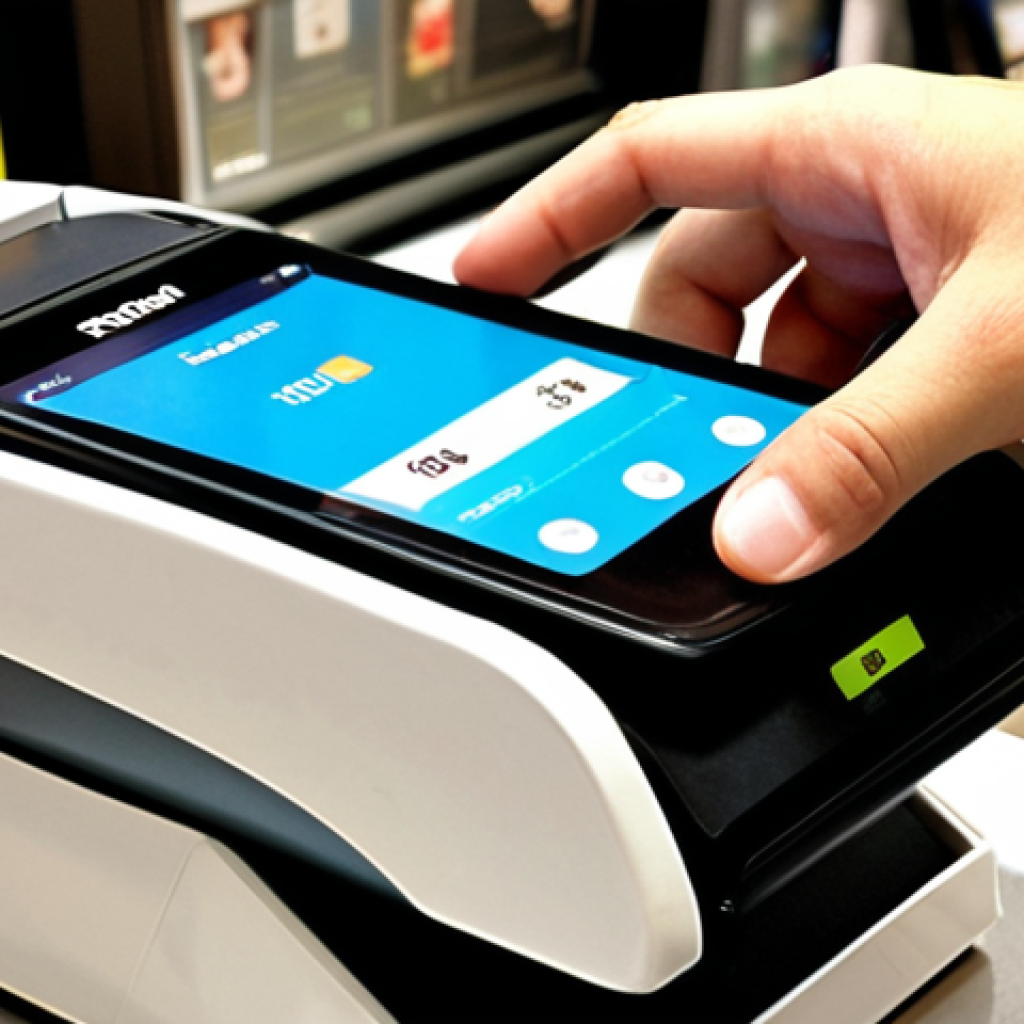
I still remember the mild anxiety of my first trip to Cyprus, wondering if my trusty credit card would be widely accepted or if I’d be scrambling for euros everywhere.
To my immense relief, and frankly, a pleasant surprise, paying with plastic across this beautiful island nation is far more common than many might expect!
From bustling Nicosia cafes to charming Paphos tavernas, major credit cards like Visa and Mastercard are almost universally welcomed, making transactions wonderfully seamless.
It feels incredibly reassuring to simply tap your card and move on, whether you’re at a modern supermarket or a trendy boutique in Limassol. Sure, you might still need a few euros for that quaint little souvenir shop by the beach or a quick coffee from a roadside kiosk – some smaller, more traditional spots still prefer cash, embracing the island’s charmingly relaxed pace.
But the trend is unmistakably clear: contactless payments are rapidly becoming the norm, and even mobile wallets like Apple Pay and Google Pay are gaining significant traction, reflecting Cyprus’s embrace of modern digital convenience and security.
It’s a far cry from even five years ago, and it truly makes exploring the island so much more carefree. I’ll break it down for you!
Navigating the Digital Wallets: My Personal Experience with Plastic in Cyprus
From the moment my plane touched down at Larnaca International, I was keenly observing how locals and tourists alike handled their finances. What struck me, perhaps even more than the stunning Mediterranean sun, was the sheer ubiquity of card readers. It wasn’t just the large, modern supermarkets like AlphaMega or Papantoniou that embraced digital payments; even my favorite little bakery, Zoe’s, tucked away on a side street in Limassol, had a sleek POS terminal ready for action. I remember vividly trying to pay for a frappe and a spanakopita with a 50-euro note, only for the friendly barista to suggest, “Just tap your card, it’s easier, no?” And indeed, it was. This seamlessness extends to a vast majority of restaurants, cafes, and larger retail stores across the island, from the bustling promenade of Finikoudes in Larnaca to the historical heart of Paphos. My own wallet, usually bulging with various currencies, felt remarkably light throughout my trips because I rarely needed to carry much cash. It’s a testament to how quickly Cyprus has adapted to modern payment methods, making the travel experience incredibly smooth and hassle-free, especially for those of us who prefer to go cashless whenever possible.
1. Where Cards Reign Supreme: A Personal Inventory
I’ve personally found that in most urban and tourist-centric areas, you can rely heavily on your credit or debit card. Think about the major attractions: the Tombs of the Kings in Paphos, the ancient Kourion archaeological site, or even the numerous wineries nestled in the Troodos mountains – almost all of them readily accept cards. Hotels, of course, are a given. I recall checking into a charming boutique hotel near Nicosia’s old town; the check-in process was literally a tap-and-go affair, and even the small bar by the pool was equipped with a card machine. This widespread acceptance truly diminishes any pre-trip anxiety about currency exchange rates or finding ATMs. It means you can focus more on enjoying the stunning scenery and vibrant culture rather than constantly worrying about your cash reserves. My advice? Always have your primary Visa or Mastercard ready, as these are the most universally accepted.
2. Tipping with Cards: A Common Courtesy
One aspect I always pay attention to when traveling is tipping culture, and how to handle it with cards. In Cyprus, it’s generally customary to tip around 5-10% in restaurants if you’re satisfied with the service. Many establishments have an option on their card machine to add a tip, which is incredibly convenient. I’ve often seen the waiter or waitress hand over the terminal, and a clear prompt asks if you’d like to add a gratuity. This makes it easy to ensure your appreciation goes directly to the staff without needing to scramble for small change. For taxi drivers, rounding up the fare is a nice gesture, and while some may have card machines, cash is often preferred for taxis, especially for smaller fares, so it’s good to keep a few euros handy for that specific scenario.
Beyond the Euro: When Your Card is King (and When It’s Not)
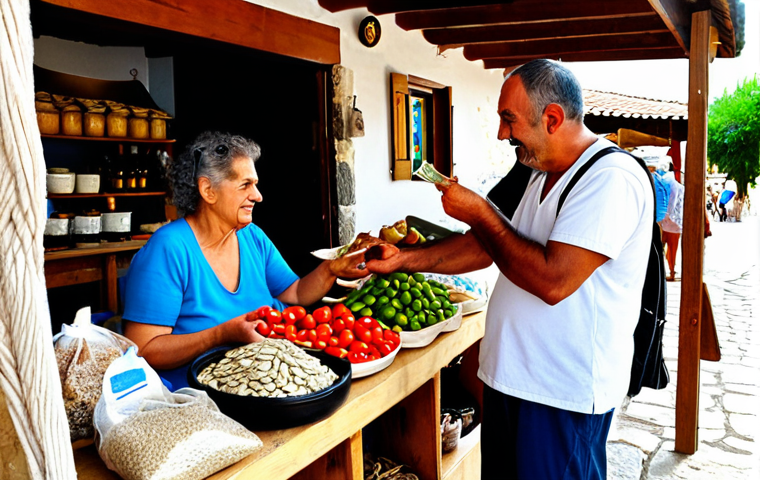
While the convenience of plastic is undeniable, it’s a mistake to assume your card will be universally accepted everywhere, especially if you venture off the beaten path, which, believe me, is where some of Cyprus’s most authentic charm lies. My most memorable cash-only encounter was at a tiny, family-run taverna high up in the mountains, serving the most incredible kleftiko. They proudly declared “Cash Only!” with a smile, and honestly, it felt like part of the experience, a step back in time. Similarly, many smaller, independent shops, particularly those selling handmade crafts, local produce at markets, or quaint village bakeries, often operate on a cash-only basis. These are the places where the true essence of Cypriot life thrives, and having a few euros on hand allows you to fully immerse yourself without awkward fumbling. It’s not a widespread inconvenience, but rather a gentle reminder that not every corner of this beautiful island has fully transitioned to a cashless society.
1. Cash is Still King: The Niche Necessities
So, when exactly should you rely on physical cash? From my experience, small roadside kiosks selling refreshing juices or fresh fruit, beachside vendors hawking trinkets, and local markets (like the bustling Limassol Municipal Market) are prime examples. I remember trying to buy some freshly picked pomegranates from a charming elderly lady by the road near Pissouri, and her only form of payment was cash. It’s these delightful, authentic moments where cash truly shines. Public transportation, like intercity buses, might also lean towards cash, although some urban bus systems now accept contactless payments. It’s about balance; don’t ditch cash entirely, but don’t overpack your wallet either. A good rule of thumb is to carry enough euros for small purchases, emergency situations, or those unexpected finds in charming, traditional spots.
2. ATM Accessibility and Emergency Withdrawals
Rest assured, ATMs are plentiful throughout Cyprus, particularly in towns, cities, and major tourist resorts. You’ll find them conveniently located near banks, supermarkets, and sometimes even within hotel lobbies. I’ve never had trouble locating one when I needed to top up my cash supply. Common banks like Bank of Cyprus, Hellenic Bank, and Eurobank have widespread ATM networks. My personal tip: try to use ATMs associated with major banks to avoid independent ATM fees, which can sometimes be exorbitant. Always be mindful of your surroundings when withdrawing cash, just as you would anywhere else in the world. And remember, while withdrawing cash is easy, the goal is to minimize the need for it by leveraging the excellent card acceptance rates elsewhere.
Unveiling the Hidden Costs: Navigating ATM Fees and Currency Exchange Savvy
One of the most frustrating things about traveling is feeling like you’re being nickel-and-dimed by hidden fees. In Cyprus, just like anywhere else in the Eurozone, using your credit or debit card for purchases generally won’t incur additional foreign transaction fees from the Cypriot side. However, your *own bank* back home might charge you a fee for international transactions. This is why it’s crucial to check with your bank before you travel. I personally use a travel-friendly credit card that waives foreign transaction fees entirely, which has saved me a significant amount over multiple trips. When it comes to ATMs, this is where the “hidden” costs can sometimes pop up. While some Cypriot banks don’t charge an ATM fee themselves, others might. More importantly, beware of Dynamic Currency Conversion (DCC). This is when an ATM or a merchant offers to process your transaction in your home currency (e.g., USD or GBP) instead of euros. Always, and I mean *always*, choose to be charged in the local currency (EUR). DCC often comes with an unfavorable exchange rate, allowing the merchant or ATM operator to pocket the difference. I’ve made this mistake once, years ago in a different country, and the exchange rate was shockingly bad. Lesson learned: always stick to the local currency for the best rate.
1. The Currency Conversion Conundrum: DCC Explained
Let’s dive a little deeper into Dynamic Currency Conversion because it’s a subtle trap I’ve seen many travelers fall into, myself included, before I became savvier. When you’re making a purchase or withdrawing cash, the POS machine or ATM might display an option: “Pay in EUR” or “Pay in [Your Home Currency]”. Your immediate thought might be, “Oh, great, I can see exactly what I’m spending in my own currency!” But here’s the catch: the exchange rate used for “your home currency” is set by the merchant or the ATM operator, not by Visa or Mastercard, and it’s almost always worse than the rate your bank would give you. Your bank, when processing the transaction in euros, uses the interbank exchange rate, which is far more favorable. My rule of thumb is simple: if you see the option to pay in your home currency, just say no. Always choose to be charged in euros. Your bank will then convert it at a much better rate, often without you even noticing a separate conversion fee if you have a travel-friendly card.
2. Banks and Their Policies: A Pre-Trip Checklist
Before you even pack your bags, make a quick call to your bank or check their online terms and conditions regarding international transactions. Some banks have specific travel notifications you need to set up, which can prevent your card from being flagged for suspicious activity and temporarily blocked while you’re trying to pay for dinner. Ask about foreign transaction fees for both credit and debit cards, as they can differ. In my case, I have one credit card that has zero foreign transaction fees, making it my go-to for all purchases abroad. For cash withdrawals, I use a debit card from a bank that refunds ATM fees. Having these policies clear before you leave home saves you from unpleasant surprises and allows you to enjoy Cyprus without constantly calculating potential extra costs. It’s a small step that makes a huge difference in your financial peace of mind while traveling.
Safety First: Protecting Your Plastic on the Island of Love
While Cyprus feels incredibly safe and welcoming, common sense security practices for your credit cards are just as important here as anywhere else in the world. I always make it a point to be vigilant, especially in crowded tourist areas or at ATMs. My routine includes covering the keypad when I enter my PIN, even if I think no one is watching. Skimming devices, though rare, can exist, so giving the card reader a quick, gentle tug to ensure it’s firmly attached can be a good habit. Furthermore, I always recommend enabling transaction alerts on your banking app. This way, you get an instant notification every time your card is used, which can be invaluable for spotting any unauthorized activity immediately. I had a minor scare once where my card was accidentally double-charged at a restaurant; the instant alert allowed me to resolve it with the manager on the spot, rather than discovering it weeks later. It’s about being proactive and using the tools your bank provides to keep your finances secure. Cyprus is lovely, but vigilance is key.
1. Digital Security: Apps and Alerts
In today’s digital age, your phone is arguably your most powerful security tool for managing your finances abroad. Most major banks offer excellent mobile banking apps that allow you to monitor transactions in real-time, freeze or unfreeze your card, and even set spending limits. Before I leave for any trip, I make sure my bank’s app is updated and that I have notifications turned on for all card activity. This instant feedback loop is incredibly reassuring. For example, if I make a purchase, I get a push notification almost immediately. If I ever saw a transaction I didn’t recognize, I could instantly lock my card from the app, preventing further unauthorized use. It’s like having a personal security guard for your wallet, always on duty. This level of control brings immense peace of mind and is something I absolutely swear by for secure travel.
2. Physical Precautions: Tips from the Road
Beyond digital safeguards, some old-school physical precautions are still highly relevant. When carrying your cards, avoid keeping all of them in one place. I typically carry my primary credit card and a small amount of cash in my wallet, but keep a backup credit card and debit card securely stored in a different, less accessible location, like a hotel safe or a separate compartment in my luggage. This way, if your wallet is lost or stolen, you’re not completely stranded. Also, be wary of public Wi-Fi networks for sensitive transactions. While it might be tempting to check your bank balance over free Wi-Fi at a cafe, it’s generally safer to use your mobile data or wait until you’re on a secure, password-protected network. These small habits significantly reduce your risk and allow you to enjoy Cyprus without the lingering worry of financial mishaps.
Embracing the Tap: The Rise of Contactless Payments in Cypriot Life
The speed at which Cyprus has adopted contactless payment technology has been truly remarkable to witness. What was once a novelty is now a standard, making transactions incredibly swift and almost futuristic. From grabbing a morning coffee at a bustling Starbucks in Limassol to paying for groceries at a hypermarket, “tapping” your card or phone is the default method. I’ve personally experienced the sheer joy of just tapping my phone with Apple Pay at a gas station, a process that takes mere seconds, allowing me to get back on the road to explore more of the island’s beauty. This isn’t just about speed; it’s also about hygiene and security, as your card never leaves your hand and your PIN often isn’t required for smaller transactions, reducing the risk of skimming or shoulder-surfing. The sheer convenience of tapping your way through Cyprus truly enhances the overall travel experience, allowing you to move through daily life with remarkable ease.
1. Mobile Wallets: Apple Pay, Google Pay, and Beyond
My iPhone has become my primary payment method in Cyprus, thanks to the widespread acceptance of Apple Pay. Similarly, Google Pay users will find the same level of seamless integration. I remember being pleasantly surprised when even a smaller, independent souvenir shop in Ayia Napa accepted Apple Pay; it showed just how deeply integrated these technologies have become. Setting up your mobile wallet before your trip is a fantastic time-saver. Once your cards are loaded, you simply authenticate with your face ID or fingerprint, tap your device, and you’re done. It’s incredibly secure, as your actual card number is never transmitted during the transaction. This level of convenience means you can often leave your physical wallet securely tucked away, only pulling it out if absolutely necessary. It’s the kind of modern convenience that makes travel feel incredibly effortless and truly aligns with Cyprus’s forward-thinking approach.
2. The Contactless Card Advantage: Speed and Security
Even if you’re not fully on board with mobile wallets, most modern credit and debit cards are contactless-enabled, identifiable by the small Wi-Fi-like symbol on the card face. This functionality significantly speeds up checkout lines, which is a blessing when you’re eager to get back to sightseeing or relaxing on the beach. For transactions under a certain amount (typically around €50), you often don’t even need to enter your PIN, making it even faster. This PIN-less convenience for smaller sums is balanced by the fact that for larger purchases, you’ll still be prompted for your PIN or signature, adding an extra layer of security. From my perspective, the widespread adoption of contactless payments in Cyprus genuinely enhances the day-to-day experience, making every transaction quick, easy, and secure.
The Savvy Traveler’s Toolkit: Blending Cash and Card for a Seamless Trip
After multiple trips to Cyprus, I’ve come to realize that the most successful and stress-free financial strategy involves a thoughtful blend of both plastic and paper. Relying solely on one or the other can lead to frustrating moments. For example, imagining being at a charming, remote village fair, eyeing a beautiful piece of handcrafted pottery, only to realize they only accept cash and your wallet is empty – that’s a scenario I certainly want to avoid! Conversely, carrying a huge wad of euros isn’t practical or safe for most of your larger purchases like hotel stays, rental cars, or big shopping sprees. The real key to financial peace of mind in Cyprus lies in understanding when each payment method shines, and being prepared for both. It’s about having the flexibility to handle any situation that comes your way, ensuring you can fully immerse yourself in the island’s unique charm without any financial hiccups. This balance allows for spontaneity and ensures you’re never caught off guard.
1. My Personal Cash-to-Card Ratio for Daily Use
Based on my own experiences, I typically carry around €50-€100 in cash for daily incidentals. This amount comfortably covers things like small souvenir purchases from street vendors, a quick coffee from a local kiosk, or a round of drinks at a traditional village tavern that might prefer cash. For everything else – hotels, nicer restaurants, larger shops, car rentals, and tour bookings – I almost exclusively use my credit card. This strategy minimizes the amount of physical cash I need to keep track of, which adds a layer of security, while still ensuring I’m never in a bind when an unexpected cash-only situation arises. It’s a flexible approach that has served me incredibly well on my Cypriot adventures, allowing me to enjoy the island without constantly worrying about money.
2. Practical Scenarios: When to Swipe and When to Pay Cash
Let’s break down some common scenarios and my preferred payment method for each. This table summarizes my tried-and-true approach for navigating payments across Cyprus, based on actual visits and countless transactions. It’s not a rigid rule, but rather a flexible guide that I’ve found incredibly useful in practice, allowing me to enjoy the island’s diverse offerings without unnecessary financial stress.
| Scenario Category | Recommended Payment Method | My Personal Experience/Rationale |
|---|---|---|
| Major Hotels & Resorts | Credit Card (Primary) | Seamless check-ins, easy for large bills, good for loyalty points. My primary choice always. |
| Mid-to-High End Restaurants | Credit Card | Almost universally accepted, convenient for splitting bills, often allows adding tips. |
| Large Supermarkets (e.g., AlphaMega, Lidl) | Credit Card / Contactless | Absolutely the norm. Quick, efficient, secure for larger grocery hauls. |
| Local Tavernas (Small, Traditional) | Cash or Card (Check first) | Often prefer cash, especially in rural areas. Always ask if unsure. I carry cash for these gems. |
| Street Food & Kiosks | Cash (Primary) | Much faster for small transactions, some might not have card machines. Essential to have euros. |
| Local Markets (Fruits, Crafts) | Cash (Primary) | Small vendors often cash-only. Great for bargaining and supporting local artisans. |
| Taxi Services | Cash (Often preferred) | Some accept cards, but cash is often quicker and avoids minimum card charges. |
| Car Rentals | Credit Card (Essential) | Required for deposits. Ensures smooth pick-up and drop-off, and for insurance coverage. |
| Museums & Major Attractions | Credit Card / Contactless | Standard. Reduces queue times and makes entry effortless. |
| Small Boutiques & Souvenir Shops | Card (Often) / Cash (Smaller ones) | Depends on the size. Larger ones accept cards, but charming small shops may prefer cash. |
Troubleshooting Transactions: What to Do When Your Card Says No
Despite the generally smooth experience, there will inevitably be moments when a card transaction doesn’t go through. It’s frustrating, certainly, but almost always resolvable. My first encounter with a “card declined” message in Cyprus happened at a small, independent art gallery in Paphos, where I was trying to buy a beautiful local painting. My heart sank for a moment. But instead of panicking, I took a deep breath. First, always try again – sometimes it’s just a momentary glitch in the machine or network. If that doesn’t work, don’t hesitate to politely ask the merchant if they have another machine or if there’s a different way to process the payment. It might be their terminal, not your card. If it’s still no go, and you have a backup card, try that. I always travel with at least two different cards from different banks for this very reason. Having a backup plan helps turn a potentially stressful situation into a minor hiccup, ensuring your Cypriot adventures continue uninterrupted.
1. Common Reasons for Declines and Quick Fixes
From my experience, several common reasons can lead to a card decline. The most frequent culprit is often insufficient funds, which can be easily checked via your banking app. Another common issue is your bank flagging the transaction as suspicious, especially if it’s a large purchase or an unusual location for your spending habits. This is why notifying your bank of your travel plans beforehand is crucial. A simple call or online notification can prevent these frustrating security blocks. Sometimes, it’s a technical issue with the POS terminal itself or a momentary loss of internet connection at the merchant’s end. Don’t be afraid to ask if they can reset their machine. And, in rarer cases, your card might have reached its daily spending limit, especially if you’ve made several large purchases that day. Being aware of these potential issues and having a quick mental checklist can save you a lot of hassle.
2. Communication with Your Bank: Your Best Ally
If your card consistently gets declined, or if you suspect something more serious, your bank’s customer service is your best friend. Make sure you have their international contact number saved in your phone before you leave. I’ve had to call my bank a couple of times while traveling – once to unblock a card after a flagged transaction, and another time when I simply couldn’t get a cash withdrawal to go through. They were always able to diagnose the issue quickly, whether it was a security hold or a temporary system problem. Having access to Wi-Fi or international roaming data will allow you to make these calls or use your banking app to troubleshoot. Remember, banks are accustomed to travelers, and they have systems in place to help you resolve issues remotely. Don’t let a declined card ruin your day; a quick call can usually fix it.
Wrapping Up Your Cypriot Payments
My journey through Cyprus has truly shown me the beauty of modern payment convenience balanced with the enduring charm of tradition. By strategically using both my reliable credit cards and a sensible amount of cash, I’ve found that exploring this stunning island becomes an utterly stress-free experience. Embrace the tap, stay vigilant with your finances, and never underestimate the value of a few euros for those delightful, off-the-beaten-path discoveries. With these tips, your financial journey across Cyprus will be as smooth and memorable as the Mediterranean breeze itself.
Good to Know Information for Your Trip
1. Notify Your Bank: Always inform your bank about your travel dates and destination (Cyprus) to prevent your cards from being flagged for suspicious activity and blocked. It’s a simple step that saves a lot of hassle.
2. Avoid DCC (Dynamic Currency Conversion): When offered the choice to pay in your home currency or EUR at ATMs or POS terminals, *always* choose EUR. Your bank will give you a better exchange rate.
3. ATM Availability: ATMs are widespread in urban and tourist areas. Stick to those associated with major banks (Bank of Cyprus, Hellenic Bank) to avoid excessive fees from independent operators.
4. Embrace Contactless: Cyprus has widely adopted contactless payments. Having a contactless card or setting up Apple Pay/Google Pay on your phone will make transactions incredibly fast and convenient.
5. Carry Small Cash for Local Gems: While cards rule, a small stash of euros (e.g., €50-€100) is essential for small roadside stalls, local markets, quaint village tavernas, and taxi fares. These are often cash-preferred spots.
Key Takeaways for a Seamless Cypriot Journey
Navigating payments in Cyprus is overwhelmingly smooth thanks to widespread card acceptance and contactless technology. However, the truly savvy traveler balances this convenience with a sensible amount of cash for authentic local experiences and smaller vendors. Prioritize digital security, be mindful of currency conversion traps, and always have a backup card to ensure your financial peace of mind throughout your incredible island adventure.
Frequently Asked Questions (FAQ) 📖
Q: How widely accepted are credit cards in Cyprus, really?
A: Frankly, much more than you might initially assume! From my own experience, it’s incredibly reassuring how seamlessly you can pay with major cards like Visa and Mastercard across most of the island.
Whether I was grabbing a quick coffee in a bustling Nicosia cafe or enjoying a long, leisurely dinner at a charming Paphos taverna, I rarely ran into an issue.
Even at modern supermarkets or those trendy little boutiques popping up in Limassol, a simple tap usually does the trick. It truly takes a lot of the stress out of planning your spending.
Q: So, does that mean I don’t need any cash at all when visiting Cyprus?
A: Ah, not quite! While cards are dominant, I’d still recommend having some euros on hand. You’ll find those quaint, tucked-away souvenir shops along the coast, or the small, family-run roadside kiosks selling fresh fruit, often prefer cash.
They’re part of Cyprus’s charming, relaxed vibe, and a card machine just doesn’t fit their flow sometimes. For a quick taxi ride or tipping at a very traditional spot, cash can also be super handy.
It’s definitely not like you need a wad of it, but a small stash ensures you’re never caught off guard.
Q: What about newer payment methods like
A: pple Pay or Google Pay – are they catching on in Cyprus? A3: Absolutely, and it’s been exciting to see the shift! When I first visited, mobile payments were barely on the radar, but now it’s a completely different story.
Many places, especially the more modern establishments and larger chains, are fully equipped for contactless payments, which naturally includes mobile wallets like Apple Pay and Google Pay.
It really reflects Cyprus’s leap into embracing digital convenience and security. It makes transactions feel even faster and more secure, which is a massive plus when you’re just trying to enjoy your holiday without fussing with physical cards.
It’s becoming increasingly common, which is fantastic.
📚 References
Wikipedia Encyclopedia
구글 검색 결과
구글 검색 결과
구글 검색 결과
구글 검색 결과
구글 검색 결과