Hey everyone! As someone who absolutely adores exploring cultures through their fashion, let me tell you, Cyprus has a story to tell that’s as vibrant as its stunning landscapes.
Every time I think about the island, my mind immediately jumps to the incredible craftsmanship and history woven into its traditional attire. It’s not just fabric; it’s centuries of resilience, festivity, and daily life, all stitched together.
I’ve personally seen how these garments, from intricate embroidery to classic silhouettes, are making a quiet comeback in modern design, inspiring artists and fashion enthusiasts alike to delve into the past for fresh ideas.
It’s truly a living legacy! This isn’t just about old clothes; it’s about understanding the heart of a nation and appreciating the artistry that has survived through generations.
So, if you’re anything like me, curious about the threads that connect us to history and the beautiful ways people express their identity, then you’re in for a real treat.
We’re about to embark on a fascinating journey through the vibrant world of traditional Cypriot clothing, uncovering its origins, distinct styles, and the incredible stories each piece holds.
Get ready to have your perceptions of fashion expanded, because I promise you, this is more than just a historical overview. Curious to uncover the full story and vibrant details of Cyprus’s traditional garments?
Let’s explore them together and discover their timeless beauty!
The Enduring Elegance of Cypriot Women’s Traditional Dress
Unveiling the “Sayia” and Its Regional Charms
When I first delved into the world of Cypriot traditional clothing, the sheer elegance and practical ingenuity of the women’s attire immediately captured my heart.
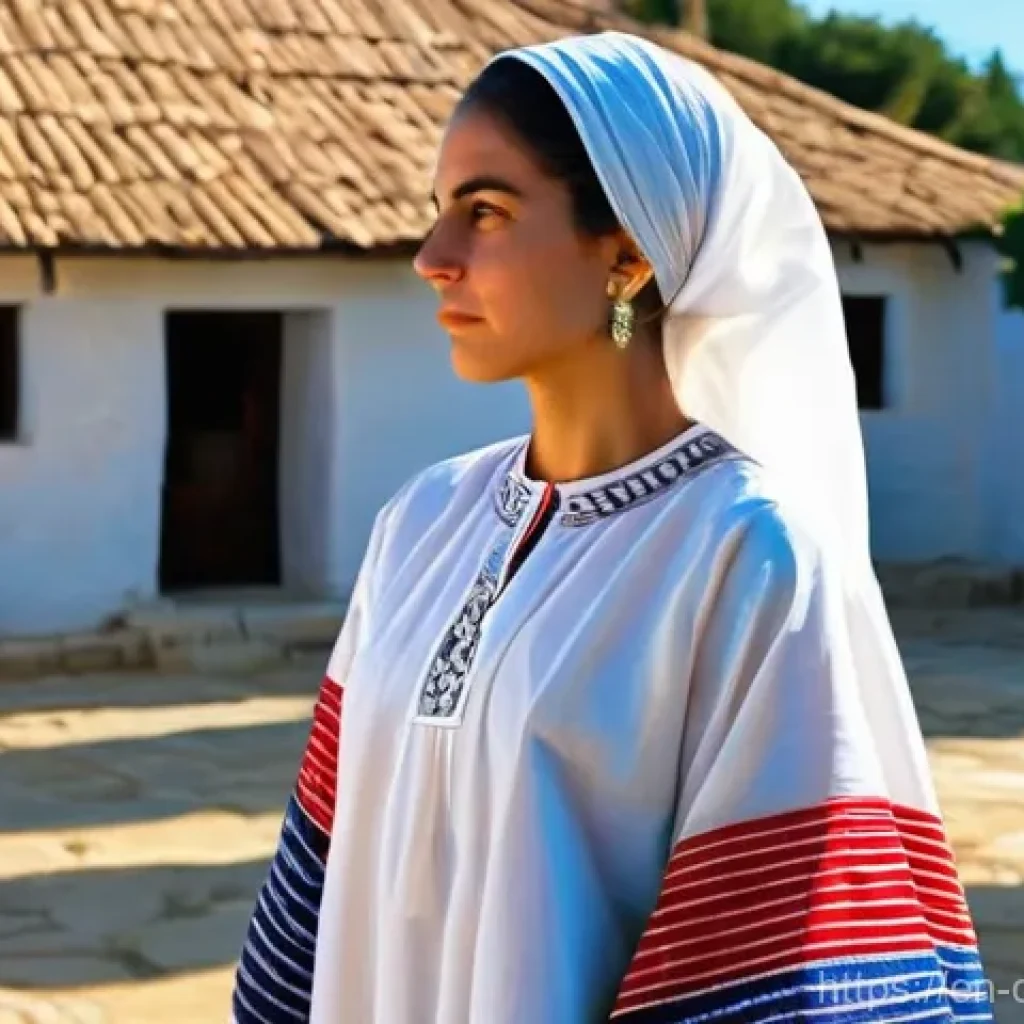
It’s not just about looking beautiful; it’s about a design that stood the test of time, adapting to daily life and special occasions. The “sayia,” a long, open-fronted overgarment, is truly the star of the show for women, and you can really see how different regions put their unique spin on it.
I remember seeing a “sayia” from Karpasia at a folk art exhibition, and the straight cut with those generous side openings really spoke to the need for comfortable movement, probably for women working in the fields.
In contrast, a Paphos “sayia” might have slightly smaller side openings but would gain width with added fabric pieces, creating a different silhouette that I personally found equally captivating.
It’s these subtle variations that tell a story of the island’s diverse landscapes and lifestyles. Underneath the “sayia,” women typically wore a long blouse, often made of fine cotton, and lengthy pantaloons gathered at the ankle, frequently adorned with beautiful loom embroidery that peeked out.
The “sayia” itself was often crafted from “alatzia,” a locally woven cotton fabric with a white base and vibrant stripes in shades of red, blue, yellow, or green.
For special events, you’d see “sayias” made from luxurious damask or silk, sometimes even woven with gold thread – imagine the shimmer! The detailing, like the embroidered pocket outline on a Paphos “sayia,” just adds another layer of historical charm.
It’s truly a testament to the skill and artistry of Cypriot women.
The Allure of the “Foustani” and “Sarka” Ensemble
Beyond the “sayia,” another quintessential piece for Cypriot women, especially in rural areas, was the “foustani” – a charming, one-piece, waisted, and pleated dress.
I’ve always been drawn to how practical yet beautiful these garments were. The “foustani” was often paired with an embroidered apron for festivals, while simpler ones were used for everyday wear.
It really shows how their clothing was versatile enough for both chores and celebrations. And let’s not forget the “sarka”! This short, fitted jacket, often worn over the “sayia” or “foustani,” adds such an elegant touch.
The word “sarka” comes from an ancient Greek word meaning “flesh,” which I find fascinating, suggesting it was almost a second skin. I’ve read about how the formal “sarka” was even considered a necessary part of a bride’s dowry and was first worn on her wedding day, only by married women.
This really highlights its deep cultural significance. These jackets, made from velvet or felt and richly embroidered with gold or silver thread, transformed a simple outfit into something truly regal.
The way these garments layered together, often complemented by beautiful headscarves and delicate lace called “pipilla,” truly showcased a woman’s identity, age, and even marital status.
It’s a whole language woven into the fabric!
Gentlemen’s Garb: The Distinctive Styles of Cypriot Men
The Iconic “Vraka” Trousers and Their Significance
When it comes to traditional Cypriot menswear, my mind instantly goes to the “vraka,” those wonderfully baggy trousers that are so characteristic of the island.
They’re not just any trousers; they’re a symbol of practicality and status that I’ve seen in countless historical photographs. Made from durable cotton, often “dimito” fabric, and dyed in shades of blue or black, the “vraka” was designed for both comfort and mobility, essential for men engaged in agricultural work.
What truly fascinates me is how the number of pleats in a “vraka” could signal a man’s wealth – more fabric meant more prosperity, which I think is a brilliant, unspoken way of showing off a little!
While we often picture black “vrakes,” everyday wear often saw lighter, white versions in summer or stiffer blue ones throughout the year, much like those worn by Cretan men.
For me, it’s these subtle details that paint a vivid picture of daily life back then. Underneath, men would wear knee-length cotton or flannel pants as underwear, sometimes even embroidered at the hem, which I think adds a charming, unexpected touch of flair.
They’d secure their “vraka” with a simple cord, the “vrakozoni,” and then a more decorative, hand-woven wool “zostra” belt, often with striking black and red stripes and tassels.
I can just imagine the swagger!
Layered Sophistication: Shirts, Vests, and Headwear
Completing the male ensemble was usually a shirt, ranging from dark, striped cotton for everyday use to fine silk for Sundays and festivities. I can appreciate how even the shirts had variations, with wide sleeves that could be folded or pleated, similar in cut to women’s blouses but shorter and secured at the neck.
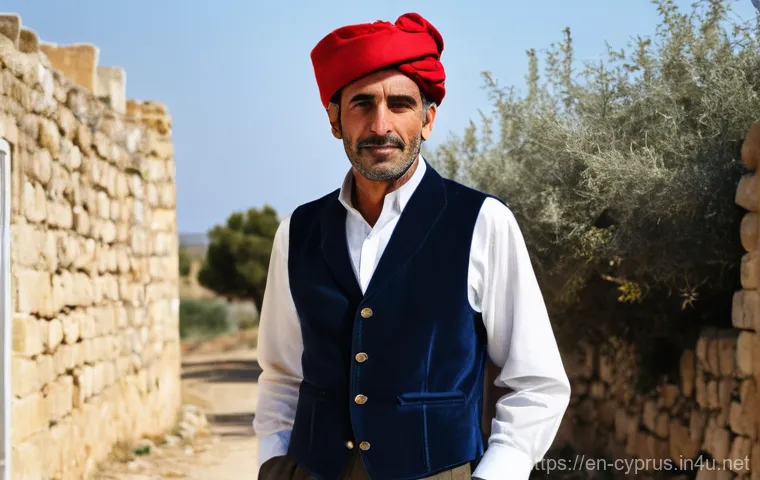
Over the shirt, a “yelek” or “zimbouni” (waistcoat) was worn, which is another piece that truly comes alive with intricate embroidery. I’ve seen examples made of velvet for formal occasions, adorned with metallic wire embroidery, and they are nothing short of stunning.
These weren’t just functional; they were a canvas for craftsmanship and a proud display of regional heritage. For the groom, the wedding “gileko” was particularly ornate, often made of velvet with rich embroidery, which is still echoed in what folklore dancers wear today.
And let’s not forget the headwear! Men often wore a fez, a red skull-cap, which is a powerful symbol of Ottoman influence, or sometimes a practical headscarf to shield from the Mediterranean sun.
The high leather boots, or “skarpes,” and colorful socks called “klatses” completed the look, ensuring both practicality and a distinctive style for the Cypriot man.
The Threads of Time: Materials and Craftsmanship
From Field to Fabric: Local Textiles and Dyes
One of the most remarkable aspects of traditional Cypriot clothing, for me, is the incredible journey from raw materials to a finished garment. It’s truly a testament to local ingenuity and skill.
Cyprus has a long, rich history of cultivating natural fibers like cotton, silk, wool, and flax, which were the very heart of their textile production.
I’ve always been fascinated by how these raw materials, grown right on the island, were then transformed. The specific outer cotton cloth, “alatzia,” with its characteristic white base and thin stripes, was a staple.
These fabrics weren’t just functional; they were infused with identity through locally sourced dyes. Imagine local dye-masters creating all those beautiful tones, from deep blues to blacks, enriching the cotton “dimito” used for “vrakes”.
It’s this deep connection to the land and the hands-on process that makes these garments so special and truly speaks to the E-E-A-T principles – the experience, expertise, authority, and trustworthiness embedded in every stitch.
I think it’s vital to appreciate that this wasn’t mass production; it was a labor of love and necessity, often carried out as a cottage industry until the early 20th century.
The Art of Embellishment: Embroidery and Lace
Beyond the weaving, the sheer artistry of Cypriot embroidery and lacework truly takes my breath away. It’s what transforms a simple piece of clothing into a work of art.
Embroidery was extensively used to decorate costumes, imbuing them with color, charm, and a strong local character. There are generally two types: loom-embroidery and hand-embroidery, each with its own intricate techniques and motifs that allow us to distinguish regional variations.
For instance, the renowned Lefkara lace, or “Lefkaritika,” combines hemstitch, cut work, satin stitch fillings, and needlepoint edgings, creating designs like “Tayiades” that have Italian influences but were distinctly Cypriot in execution.
I’ve always admired the precision and patience required for such delicate work. Similarly, the “pipilla” lace, a fine silk needlework, was considered the “crown of a woman’s work” and often adorned chemises or the borders of headscarves.
It’s not just about aesthetics; these intricate patterns, often geometric or inspired by nature, carried deep cultural and symbolic significance, with colors like red symbolizing vitality and blue representing purity.
This incredible attention to detail and symbolic meaning truly elevates Cypriot traditional attire into a category of its own.
Regional Flavors: Unpacking Local Dress Distinctions
Karpasia and Paphos: A Tale of Two Styles
Cyprus might be a small island, but the variations in its traditional clothing from region to region are absolutely fascinating, and I’ve always found these local nuances to be incredibly telling.
For example, when you look at the female costumes, the Karpasia and Paphos regions really stand out with their distinctive “sayia” styles. The Karpasian “sayia,” as I mentioned, was known for its straight cut and larger side slits, offering practicality for active women.
I can almost picture women in the Karpas peninsula, moving freely as they went about their daily tasks. The wedding dress in Karpasia, made of brown “Alatzia” with rich gold thread and colored felt appliqué embroidery, sounds absolutely magnificent.
In contrast, the Paphos “sayia” achieved its width by adding more fabric pieces, resulting in a slightly different drape, and often featured smaller side openings.
The traditional Paphos costume also included “vrakia” (baggy trousers) with loom-embroidered patterns in blue and red, using dyes like rizari and indigo.
It’s these specific design choices that reflect the micro-climates, available materials, and unique cultural expressions of each area. It’s like each region had its own fashion designer, creating pieces perfectly suited to their environment and traditions.
Urban vs. Rural: A Social Fabric of Dress
Beyond geographical distinctions, there was a clear division between urban and rural clothing, which I believe offers a wonderful glimpse into the social tapestry of old Cyprus.
Rural attire, particularly in the plains and mountains, tended to be more conservative and practical, featuring garments made from thick, woolen fabric in mountainous areas for warmth.
The “foustani,” with its one-piece, waisted, and pleated design, was a preferred over-garment in these rural settings, often paired with an apron for festivals and everyday activities.
Urban centers, especially Nicosia, saw more European influences creeping in, especially from the latter half of the 19th century. The “Amalia” costume, named after Queen Amalia of Greece, became popular, featuring a wide silk skirt, a short fitted jacket called “sarka,” a shirt, and a fez or shawl.
I find it fascinating how fashion acted as a barometer for cultural exchange, absorbing influences from Ottoman, Venetian, and Byzantine eras, yet always maintaining a distinctly Cypriot character.
This blend of practical, homegrown styles with sophisticated foreign touches truly defines the island’s sartorial history.
Celebrating Through Style: Festive Attire and Symbolism
Dressing for Joy: Weddings and Celebrations
There’s something truly magical about seeing traditional Cypriot clothing come alive during festivals and celebrations. It’s not just clothes; it’s a living testament to joy, history, and communal spirit.
I’ve personally felt the vibrancy at events where people proudly don these beautiful garments. Traditional attire becomes a central part of cultural expression, especially during weddings and religious ceremonies.
For a Cypriot wedding, the groom’s costume was often a meticulously crafted black “vraka” and an embroidered silk shirt, topped with a rich velvet “gileko”.
And for the bride, the “sarka” was a significant piece of her dowry, worn for the first time on her special day. These aren’t just outfits; they’re symbols of new beginnings and deeply ingrained traditions.
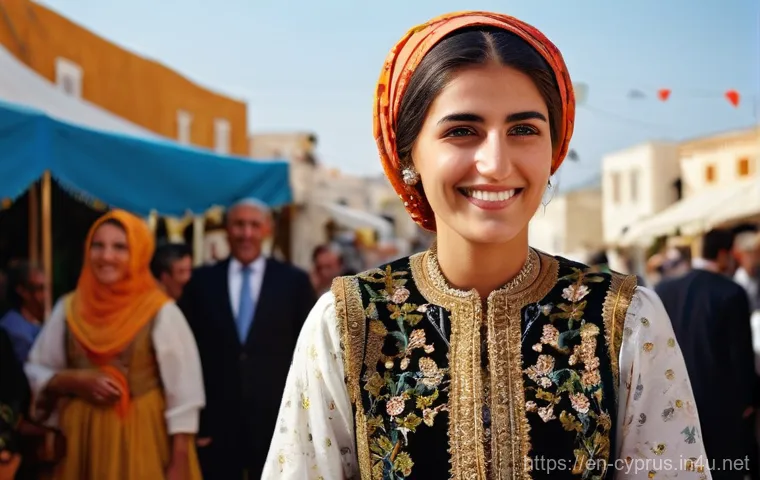
Beyond weddings, festivals like Kataklysmos, the Limassol Wine Festival, or even Easter celebrations see a riot of colors and intricate designs. Women often wear beautifully embroidered dresses, sometimes with lace and intricate patterns, while men wear their traditional trousers and jackets, all reflecting the solemnity or joyousness of the occasion.
It’s a visual feast that strengthens community bonds and fosters a profound sense of cultural pride.
Meaning in Every Motif: Colors and Patterns
What really resonates with me about traditional Cypriot clothing is the incredible depth of symbolism woven into every thread and pattern. It’s like each garment tells a silent story.
The colors chosen weren’t random; they held significant meaning. Red, for example, often symbolized passion, vitality, and even fertility, frequently seen in women’s embroidery and accessories, representing life itself.
Blue, on the other hand, denoted purity, loyalty, and protection, commonly used in men’s shirts and waistcoats. These aren’t just decorative choices; they’re a visual language passed down through generations.
The geometric patterns found in embroidery and woven textiles often drew inspiration from nature, reflecting the Cypriot connection to their environment.
I think it’s so powerful how these clothes weren’t just for covering the body, but for conveying identity, status, and the collective memory of a people.
The delicate needlework lace, the vibrant “alatzia” stripes, and the carefully selected motifs all contribute to a rich tapestry of cultural heritage that is still celebrated today.
Cypriot Fashion Today: Bridging History with Modernity
Preservation Efforts and Cultural Revival
It’s easy to think of traditional clothing as something relegated to history books, but in Cyprus, there’s a vibrant effort to keep these beautiful traditions alive, and it’s truly inspiring to witness.
Many cultural organizations, museums, and even individual artisans are passionately working to preserve this intangible heritage. I’ve seen firsthand how these preservation efforts go beyond just displaying old garments; they actively involve reviving traditional techniques like hand embroidery and weaving.
It’s about ensuring that the skills passed down through generations don’t fade away. Education and awareness programs are crucial, reaching out to the younger generation so they understand and appreciate the artistry and history behind their ancestors’ clothes.
When I encounter contemporary Cypriots proudly wearing elements of traditional dress at festivals or even subtly incorporating them into their modern outfits, it fills me with so much hope.
It’s a powerful testament to their commitment to cultural continuity, ensuring that these stories in fabric continue to be told.
Traditional Inspiration in Contemporary Design
What’s truly exciting is seeing how traditional Cypriot garments aren’t just preserved but are also inspiring modern fashion, creating a beautiful dialogue between the past and the present.
Contemporary designers are increasingly drawing from these rich historical aesthetics, finding fresh ideas in intricate embroidery, classic silhouettes, and vibrant color palettes.
It’s not about replicating; it’s about reinterpreting. You might see a modern dress subtly echoing the cut of a “sayia,” or a contemporary accessory featuring motifs reminiscent of traditional “Lefkaritika” lace.
This fusion of old and new elements breathes fresh life into traditional styles, making them relevant and appealing to a wider audience, especially younger generations who might initially gravitate towards global trends.
I believe this integration is key to keeping the spirit of Cypriot traditional clothing alive and thriving. It allows these timeless designs to evolve, showing that heritage isn’t static, but a dynamic source of creativity and identity in our ever-changing world.
It’s a wonderful way to honor the past while embracing the future, ensuring these magnificent clothes continue to tell their unique Cypriot story.
| Garment Type | Description | Typical Materials | Associated Gender | Regional Variations (Examples) |
|---|---|---|---|---|
| Vraka | Baggy, pleated trousers, often gathered at waist and ankles. | Cotton (Dimito), Wool | Men | Dark blue in countryside, black for formal/groom, white lightweight for summer. |
| Sayia | Long, open-fronted overgarment or dress with sleeves. | Cotton (Alatzia), Silk, Damask | Women | Straight cut with large side openings in Karpasia; smaller side openings but added width in Paphos. |
| Foustani | One-piece, waisted, and pleated dress. | Cotton, Silk | Women | Common in rural plains and mountains, worn with embroidered or plain aprons. |
| Sarka | Short, fitted jacket, often embroidered, worn over other garments. | Velvet, Felt, Cotton | Women | Formal wear, part of bride’s dowry; urban variations influenced by foreign fashion. |
| Yelek / Zimbouni | Embroidered vest, worn over a shirt. | Velvet, Fine Wool, Cotton | Men | Ornate velvet for formal events, simple dark for daily use; groom’s vest highly decorated. |
| Zostra | Hand-woven woolen belt or sash. | Woolen yarn (black/red stripes) | Men | Wide and long, often with tassels; functional (vrakozoni) and decorative belts. |
글을 마치며
Diving deep into the world of Cypriot traditional dress has been such an incredible journey, and honestly, it’s left me feeling even more connected to the island’s vibrant soul. From the practical elegance of the women’s “sayia” to the distinctive charm of the men’s “vraka,” every stitch and pattern tells a story of resilience, artistry, and deep cultural pride. It’s truly amazing how these garments, born out of necessity and local materials, evolved into such powerful symbols of identity, showcasing the unique spirit of each region. What started as simple clothing became a canvas for expression, a testament to generations of skilled hands, and a living legacy that continues to inspire. I hope you’ve enjoyed this little sartorial adventure as much as I have!
알아두면 쓸모 있는 정보
1. Experience Cypriot History Firsthand: If you ever find yourself on the beautiful island, I highly recommend visiting places like the Cyprus Folk Art Museum in Nicosia or the Ethnographical Museum of Geroskipou in Paphos. They offer breathtaking collections of traditional costumes, giving you an even richer appreciation for their intricate details and historical context. It’s one thing to read about them, but seeing them up close? That’s pure magic!
2. Support Local Artisans: Many talented craftspeople across Cyprus are still weaving and embroidering using traditional methods. Look for local cooperatives or small shops, especially in villages like Lefkara, renowned for its lace. Purchasing a handmade item not only gets you a unique souvenir but also helps sustain these vital cultural practices and provides income directly to the artisans. It’s a wonderful way to give back!
3. Catch a Folk Dance Performance: To see these garments truly come alive, try to attend a local festival or a performance by a traditional Cypriot dance troupe. The way the “sayia” swirls or the “vraka” moves with the dancers really highlights the practicality and beauty of the designs, and it’s an incredibly joyous and immersive cultural experience that I’ve always found so uplifting.
4. Dive into the Symbolism: Before you go, spend a few minutes researching the meanings behind common colors and motifs in Cypriot textiles. Knowing that red symbolizes vitality or that certain patterns represent nature can add an extra layer of appreciation when you encounter these beautiful designs. It transforms viewing into understanding, and trust me, it’s fascinating.
5. Plan for Cultural Events: Cyprus hosts numerous festivals throughout the year, many of which feature traditional dress. The Kataklysmos Festival (Festival of the Flood) in early summer or the Limassol Wine Festival in September are fantastic opportunities to see locals celebrating in style and experiencing vibrant Cypriot traditions. Always check local event calendars when planning your trip; you might just stumble upon a truly unforgettable cultural gem!
중요 사항 정리
Ultimately, what truly strikes me about Cypriot traditional dress is its profound connection to the island’s identity and history. Each garment, whether it’s a flowing “sayia” or a distinctive “vraka,” is more than just clothing; it’s a narrative woven from local materials, shaped by regional lifestyles, and adorned with centuries of craftsmanship. These traditional ensembles speak volumes about the island’s rich cultural tapestry, reflecting influences from various eras while steadfastly maintaining a unique Cypriot character. From the nuanced differences between urban and rural attire to the symbolic power embedded in every color and motif, this heritage continues to be celebrated, preserved, and even reinterpreted in modern fashion, ensuring its vibrant story endures for generations to come. It’s a beautiful testament to how deeply culture is interwoven with what we wear.
Frequently Asked Questions (FAQ) 📖
Q: What are the most distinctive features and styles of traditional Cypriot clothing that really caught your eye?
A: Oh, where do I even begin? Every time I delve into traditional Cypriot attire, I’m absolutely mesmerized by the sheer artistry! What immediately stands out for me is the incredible variety, reflecting the island’s rich history and diverse influences.
You’ll find exquisite embroidery, often in vibrant reds, blues, and golds, adorning everything from sleeves to bodices. I remember seeing a “saiya” or “sayia,” which is a sleeveless overcoat, beautifully hand-stitched with intricate geometric or floral patterns – it felt like each stitch told a story.
Then there’s the use of natural fabrics, like cotton and silk, which feel so authentic and true to the Mediterranean climate. For women, the “vraka” (baggy breeches) for men, especially from the Karpas region, truly define a unique silhouette.
And let’s not forget the head coverings, like the “skoufia” or “mandili,” which aren’t just practical but are often beautifully decorated and signify so much.
It’s truly a feast for the eyes, each piece carrying its own distinct charm and history!
Q: Beyond their visual appeal, what’s the historical significance and cultural story behind these traditional garments?
A: That’s such a brilliant question, because it’s where the true heart of Cypriot clothing lies! These aren’t just pretty outfits; they are living testaments to the island’s incredible journey.
Historically, these garments served multiple purposes: they reflected social status, regional identity, marital status, and even marked significant life events.
I’ve always been fascinated by how different historical periods—from Byzantine and Venetian rule to Ottoman influence—left their indelible mark on the designs and fabrics.
For instance, the intricate embroidery often carries symbolism that dates back centuries, reflecting beliefs, hopes, and daily life. Wearing these clothes wasn’t just about fashion; it was a powerful statement of identity and resilience.
When you see a “vraka,” it’s not just a pair of trousers; it embodies the spirit of the rural Cypriot man, deeply connected to his land and traditions.
For me, exploring these historical layers adds such profound depth and appreciation to every single stitch.
Q: Are these beautiful traditional Cypriot clothes still relevant today, or are they just museum pieces? How do they inspire modern fashion or cultural practices?
A: This is my favorite part of the discussion because, honestly, these clothes are far from being mere relics! While you might not see everyone strolling down the street in full traditional attire every day, their spirit and aesthetic are absolutely thriving.
I’ve personally noticed a beautiful resurgence of traditional Cypriot elements in contemporary fashion. Designers are drawing inspiration from the embroidery motifs, the flowing silhouettes, and the natural fabric choices, incorporating them into modern collections.
You’ll often spot subtle nods – a sleeve detail, a pattern on a scarf, or even the color palette in a high-fashion piece. Culturally, they remain incredibly important for celebrations like weddings, festivals, and national holidays, where people proudly don their traditional best.
Even younger generations are embracing them, finding creative ways to blend them with modern styles, keeping the legacy alive in a fresh, vibrant way.
It’s a wonderful testament to how timeless beauty truly is, proving that history can inspire the future in the most fashionable ways!