As more travelers set their sights on Cyprus this year, understanding the island’s safety landscape has never been more important. Recent shifts in crime patterns and local advisories highlight the need for informed preparation before exploring this Mediterranean gem.
Whether you’re planning a relaxing beach escape or a cultural adventure, knowing how to navigate Cyprus securely can make all the difference. In this post, I’ll share practical insights and up-to-date tips that helped me feel confident and safe during my visit.
Let’s dive into what you need to know to enjoy a worry-free trip to Cyprus.
Understanding Neighborhood Safety and Local Risks
Popular Tourist Areas and Their Safety Profiles
When exploring Cyprus, knowing which neighborhoods are bustling and generally safe can save you from unnecessary stress. Areas like Ayia Napa and Paphos are well-patrolled and tend to have a strong police presence, especially during peak tourist seasons.
From my experience, these spots feel secure even late in the evening, but it’s always wise to stay alert around crowded nightlife zones where pickpocketing can occasionally occur.
In contrast, some less-touristy districts, particularly on the outskirts of major cities, might lack the same level of security infrastructure, so it’s best to avoid wandering there after dark.
Common Crime Types to Watch Out For
The most frequent issues travelers face in Cyprus are petty thefts, like bag snatching or unattended belongings being taken. I noticed locals often advise against leaving valuables visible in parked cars or on the beach.
Violent crime is relatively rare, but it’s important to stay cautious, especially in crowded places where opportunists might strike. Scams targeting tourists—such as inflated taxi fares or unofficial tour guides—are also something to watch for.
Being informed and asking trusted locals or hotel staff about safe practices can make a big difference in avoiding these pitfalls.
How Local Authorities Handle Safety
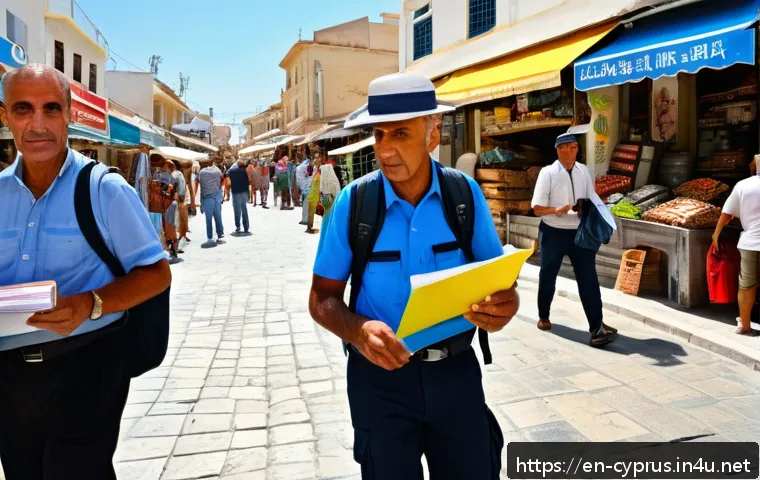
Cyprus has a reputation for a responsive police force, and during my visit, I saw officers actively engaging with the community and tourists alike. Emergency services are generally efficient, and the island’s crime reporting system is straightforward.
If you encounter any issues, calling the national emergency number 112 connects you to immediate help. Additionally, Cyprus has introduced community policing initiatives in tourist hotspots, which has improved the overall sense of security.
It’s comforting to know that help is usually close by, but taking basic personal safety steps remains crucial.
Smart Travel Habits for a Secure Stay
Staying Alert in Crowded Places
One thing I quickly learned is that even in the most beautiful and tranquil locations, crowds can be hotspots for petty crime. Markets, festivals, and public transport hubs are prime examples where thieves can blend in easily.
Keeping your belongings close, using anti-theft bags, and avoiding distractions like excessive phone use while walking can help keep you safe. Also, it’s a good idea to carry photocopies of important documents instead of originals when you’re out and about.
Safe Transportation Options
Getting around Cyprus is mostly hassle-free, but choosing the right transportation method affects your safety. Licensed taxis and reputable car rentals are the best bet.
I personally opted for a rental car to explore remote areas, which gave me flexibility and control over my environment. Public buses are generally safe, but they can be crowded during rush hours.
Avoid unmarked taxis or offers from strangers, as these can sometimes lead to scams or unsafe situations.
Using Technology to Enhance Safety
In today’s digital age, apps and online resources can be your best friend on a trip. I used navigation apps with offline maps to avoid getting lost in unfamiliar neighborhoods.
Safety apps that share your location with trusted contacts or alert local emergency services can provide extra peace of mind. Checking real-time updates on local news and travel advisories before heading out each day also helped me steer clear of any developing safety concerns.
Nighttime Safety and Socializing Tips
Choosing Safe Venues
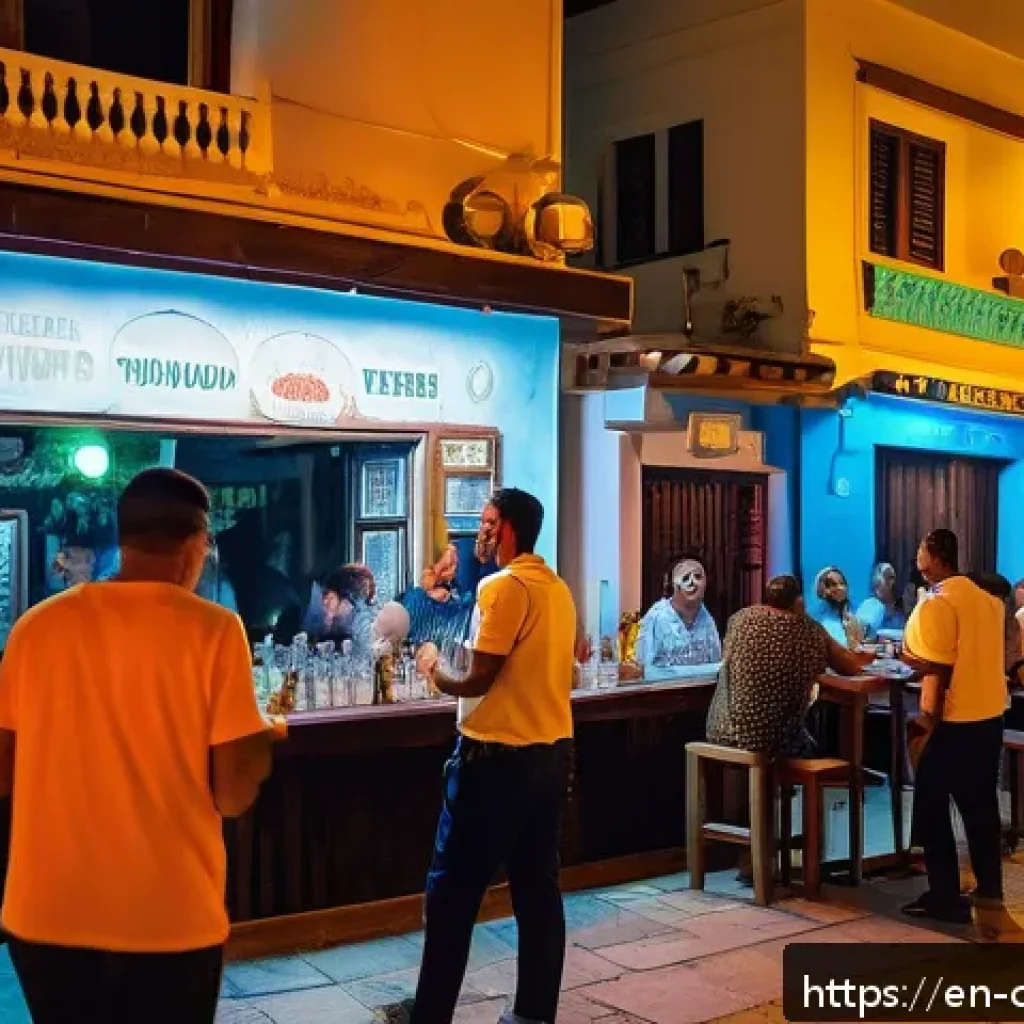
Cyprus nightlife is vibrant, but not all spots are created equal when it comes to safety. I found that popular bars and clubs with visible security staff tend to maintain a safer environment.
It’s smart to stick to well-reviewed venues and avoid isolated or poorly lit areas when moving between places. Going out in a group rather than alone can also reduce risks and make the evening more enjoyable.
Managing Alcohol Consumption Responsibly
While enjoying Cyprus’s lively social scene, keeping an eye on your alcohol intake is important. Overindulgence can impair judgment and make you vulnerable to unwanted situations.
I made it a point to pace myself and watch my drinks being prepared to avoid any tampering risks. Staying hydrated and knowing your limits allowed me to have fun without compromising my safety.
Getting Home Safely After Dark
Planning your return trip at night is just as critical as the fun itself. Booking a taxi in advance or using ride-hailing apps can prevent last-minute scrambles that might lead to unsafe choices.
I usually saved my driver’s details and checked the license plate before hopping in. If you’re out in a group, walking together to your accommodation is a simple but effective safety measure.
Emergency Preparedness and Local Support Systems
Understanding Emergency Contacts and Services
Knowing who to call and what to expect in an emergency is fundamental. Cyprus’s emergency number, 112, covers police, fire, and medical services. When I first arrived, I saved this number and the contact info of my embassy on my phone.
Hospitals and clinics in tourist areas are generally well-equipped, but it’s advisable to have travel insurance that covers medical evacuation or treatment costs.
Local Community and Expat Networks
Connecting with local expat communities or fellow travelers can provide valuable support and advice. I found online forums and social media groups helpful for up-to-date safety tips and recommendations on trusted service providers.
These networks often share alerts about any emerging issues or scams, which can be a lifesaver for visitors unfamiliar with the local scene.
Handling Unexpected Situations Calmly
Despite all precautions, unexpected situations might arise. Staying calm and collected helps you think clearly and make better decisions. If you lose your belongings or get into trouble, approaching local authorities or your accommodation staff promptly is crucial.
Having a backup plan, such as knowing the location of your country’s consulate, adds an extra layer of security.
Protecting Your Belongings: Practical Tips
Securing Valuables in Accommodation
One of the simplest yet often overlooked safety measures is how you handle your valuables at your place of stay. I always opted for hotels or rentals with in-room safes and used them for passports, cash, and electronics.
If a safe isn’t available, locking your luggage and keeping it out of sight can deter opportunistic theft.
Beach and Outdoor Activity Safety
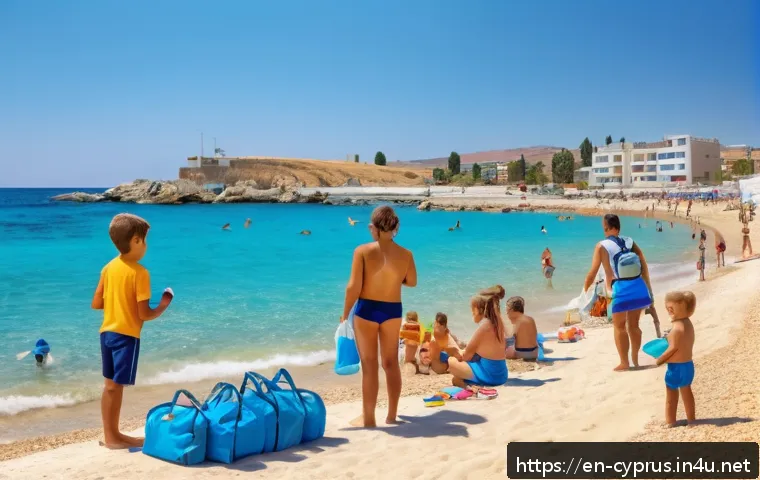
Cyprus’s beautiful beaches are a major draw, but they can be risky for leaving personal items unattended. I learned to bring only essentials and keep them within arm’s reach or use waterproof bags that can stay on your person.
Group outings to beaches also reduce the chance of theft since someone is usually watching the belongings.
Keeping Digital Devices Secure
With smartphones and cameras being prime targets, protecting your gadgets is essential. Using password locks, enabling remote tracking features, and avoiding public Wi-Fi for sensitive transactions are some steps I took.
Backing up important photos and documents before heading out each day also saved me from potential data loss.
Summary of Key Safety Practices in Cyprus
| Safety Aspect | Recommended Actions | Personal Insight |
|---|---|---|
| Neighborhoods | Stick to well-known tourist areas, avoid outskirts after dark | Felt secure in Ayia Napa, cautious in lesser-known districts |
| Transportation | Use licensed taxis, rent cars from reputable companies | Car rental gave me freedom and peace of mind |
| Nightlife | Choose venues with security, avoid isolated areas | Group outings made nightlife more enjoyable and safe |
| Emergency Preparedness | Save emergency numbers, have travel insurance | Quick access to 112 and embassy contacts was reassuring |
| Belongings | Use safes, keep valuables out of sight, secure beach items | Safe use prevented any loss during my stay |
Building Awareness Around Seasonal and Event-Driven Risks
Impact of Tourist Seasons on Safety
The influx of visitors during summer months naturally increases the risk of petty crime, as more tourists mean more opportunities for thieves. From my time in Cyprus, I noticed a slight uptick in warnings from locals during July and August, advising extra vigilance in crowded areas like beaches and festivals.
On the flip side, visiting in shoulder seasons often meant quieter streets and a more relaxed atmosphere, which felt inherently safer.
Special Events and Their Influence on Local Security
Festivals and public holidays bring energy and excitement but can also attract pickpockets and scammers. During major celebrations, police presence tends to ramp up, but the sheer volume of people means you still need to be careful.
I attended a local music festival where security checks were thorough, yet I kept my belongings zipped up and stayed aware of my surroundings to avoid any issues.
Adjusting Plans Based on Weather and Local Conditions
Weather can indirectly affect safety — heavy rains or extreme heat might disrupt transport or cause crowded indoor gatherings. I experienced a sudden rainstorm in Limassol that pushed many tourists into small cafés, increasing crowd density.
In such situations, keeping an eye on your belongings and avoiding congested exits is wise to prevent accidents or theft.
Engaging Respectfully With Local Customs to Enhance Safety
Understanding Cultural Norms and Their Role in Security
Respecting local customs not only enriches your experience but also helps you avoid misunderstandings that might compromise your safety. For instance, dressing modestly when visiting religious sites is appreciated and can prevent unwanted attention.
I found that being polite and approachable with locals opened doors to helpful advice on safe areas and trustworthy services.
Language Tips for Safety Communication
While English is widely spoken, learning a few basic Greek phrases related to emergencies or directions can be invaluable. Phrases like “Help!” (Βοήθεια!
– Voítheia!) or “Police” (Αστυνομία – Astynomía) came in handy when I asked for assistance. Locals often appreciate the effort, which can encourage them to offer better help or guidance.
Building Positive Interactions with Locals
Friendly interactions with residents can make your trip more secure and enjoyable. I made it a point to chat with shopkeepers and hotel staff, who sometimes shared informal safety tips or alerted me to less safe areas.
Establishing these connections helped me feel more integrated and less vulnerable as a visitor.
In Conclusion
Traveling in Cyprus offers a wonderful blend of culture, beauty, and safety when you stay informed and cautious. By understanding local risks and adopting smart habits, you can fully enjoy your trip with peace of mind. Always trust your instincts and prepare ahead to handle any unexpected situations smoothly. Your experience will be richer and safer when you respect local customs and engage thoughtfully with the community.
Useful Information to Keep in Mind
1. Stick to well-known tourist areas and avoid poorly lit or isolated neighborhoods after dark.
2. Use licensed transportation options like official taxis or reputable car rentals to ensure safety and reliability.
3. Stay alert in crowded places such as markets, festivals, and public transport hubs to protect your belongings.
4. Save emergency numbers like 112 and keep your embassy contacts handy before you travel.
5. Learn a few basic local phrases and build positive connections with locals for better guidance and support.
Key Points Summary
Understanding neighborhood safety and local risks is essential for a secure visit to Cyprus. Favor popular tourist spots where police presence is stronger and avoid wandering in less secure districts after dark. Always choose trustworthy transportation and be cautious during nightlife activities by sticking to safe venues and managing alcohol responsibly. Emergency preparedness includes saving important contacts and having proper travel insurance. Protect your belongings by using safes or secure storage, especially at beaches and accommodation. Finally, respecting local customs and fostering good relationships with residents not only enhances your experience but also contributes to your overall safety during the trip.
Frequently Asked Questions (FAQ) 📖
Q: Is Cyprus generally safe for solo travelers, especially women?
A: Absolutely, Cyprus is considered one of the safer destinations in the Mediterranean for solo travelers, including women. During my trip, I found the locals to be friendly and respectful, and the streets felt secure even at night in popular areas like Limassol and Nicosia.
Of course, standard precautions apply—avoid poorly lit areas after dark and keep an eye on your belongings, but overall, you can confidently explore the island on your own.
Q: Are there any recent changes in crime patterns that visitors should be aware of?
A: Yes, while Cyprus remains relatively safe, there has been a slight uptick in petty crimes such as pickpocketing and vehicle break-ins in tourist hotspots.
When I visited, I noticed increased police presence in crowded markets and beaches, which was reassuring. It’s wise to stay vigilant, especially in busy places and public transport.
Using hotel safes for valuables and not flaunting expensive items helped me avoid any trouble.
Q: What safety tips would you recommend for tourists visiting Cyprus for the first time?
A: Based on my experience, a few simple steps go a long way: always carry a copy of your passport separately from the original, stay connected with local emergency numbers (112 is the general emergency line), and use reputable taxi services or apps rather than hailing random cabs.
Also, familiarize yourself with local customs and respect cultural norms—this not only keeps you safe but enriches your travel experience. Being prepared like this made my trip smooth and worry-free.