Cyprus’s journey to independence is a captivating story of resilience and determination. For decades, the island’s people faced complex political struggles, cultural clashes, and foreign rule, fueling a strong desire for self-governance.
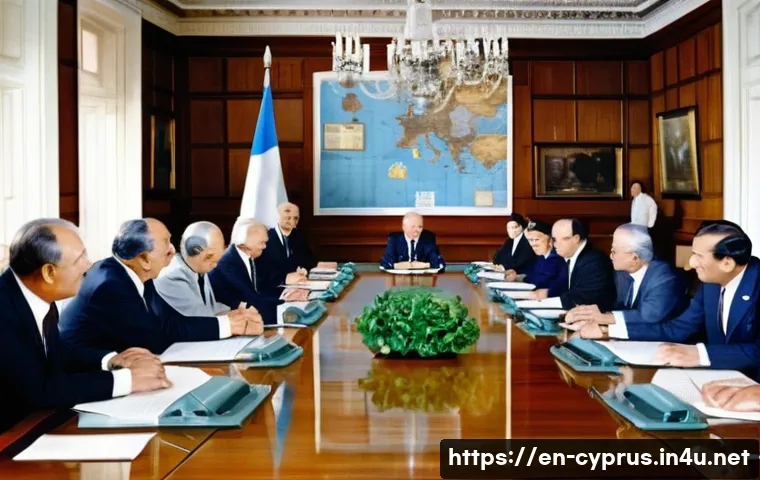
The independence movement not only shaped the island’s modern identity but also left a lasting impact on regional geopolitics. Understanding this history helps us appreciate the challenges and triumphs that defined Cyprus’s path.
Let’s dive deeper and uncover the fascinating details behind Cyprus’s fight for freedom!
The Roots of Cyprus’s Struggle for Autonomy
The Ottoman Legacy and British Administration
Cyprus’s story of independence cannot be told without acknowledging the long shadow cast by Ottoman and British rule. The Ottoman Empire controlled the island for centuries, leaving a diverse cultural imprint but also sowing the seeds of ethnic tension between Greek Cypriots and Turkish Cypriots.
When Britain took over administration in 1878, the island became a strategic outpost in the Eastern Mediterranean. British governance introduced new political structures but also complicated local dynamics, as the islanders’ aspirations for self-rule grew louder against the backdrop of colonial authority.
The British approach often oscillated between repression and limited reforms, which only intensified calls for independence among the Greek Cypriot majority, who largely identified culturally and politically with Greece.
The Rise of Nationalist Sentiment Among Greek Cypriots
By the early 20th century, Greek Cypriots increasingly embraced the idea of Enosis—union with Greece—as the ultimate solution to their political frustrations.
This nationalist sentiment gained momentum especially after World War I, when the collapse of the Ottoman Empire altered regional power balances. Greek Cypriots organized political groups and movements advocating for unification, fueled by cultural pride and a desire to break free from British colonial rule.
This period saw a surge in political activism, with local leaders galvanizing support through rallies, petitions, and negotiations. However, this push for Enosis was met with resistance from both the British authorities and the Turkish Cypriot minority, setting the stage for further conflict.
Early Resistance Movements and Political Mobilization
The 1930s and 1940s marked a turning point as more organized resistance began to take shape. Secret societies and underground groups emerged, determined to challenge British rule through both political pressure and militant actions.
The British response was often harsh, with crackdowns on activists and censorship of nationalist media. Despite these obstacles, the movement persisted, driven by a growing sense of injustice and the influence of global decolonization waves.
Greek Cypriots used every available platform—local councils, international forums, and the press—to push their cause. At the same time, Turkish Cypriots started forming their own organizations to protect their interests, fearing marginalization in a future unified Cyprus under Greek dominance.
The Impact of World War II on Cyprus’s Political Landscape
Shifting Alliances and Global Context
World War II brought significant changes to Cyprus’s political environment. The island became a vital military base for the Allies, which increased British strategic interest and military presence.
Many Cypriots volunteered to fight alongside the British, hoping their loyalty would translate into political concessions after the war. However, the post-war period did not bring immediate freedom, leading to growing disillusionment among the island’s population.
Internationally, the war’s aftermath saw a surge in decolonization movements across Asia and Africa, inspiring Cypriot activists to renew their demands with greater urgency and strategic planning.
Emergence of New Political Parties and Ideologies
The post-war years witnessed the formation of new political parties in Cyprus, reflecting a range of ideologies from radical nationalism to moderate reformism.
The Greek Cypriot community was largely dominated by parties advocating Enosis, while Turkish Cypriot parties emphasized the need for security and recognition of their rights.
This political pluralism added complexity to negotiations with the British and complicated efforts to find a unified path toward independence. Debates over the island’s future intensified, with some groups proposing partition as a solution to ethnic tensions, while others held firm to the vision of a single, independent Cyprus.
The Role of International Organizations and Diplomacy
Cyprus’s independence movement also gained new avenues through the involvement of international organizations such as the United Nations. Greek Cypriot leaders sought support from the global community to pressure Britain, framing their cause within the broader context of self-determination and human rights.
Meanwhile, the Turkish government and Turkish Cypriot representatives appealed to international actors to protect their community’s interests. These diplomatic efforts laid the groundwork for future negotiations but also exposed the deep divisions that would complicate the island’s path to sovereignty.
The EOKA Campaign and Armed Resistance
Formation and Objectives of EOKA
In 1955, the National Organization of Cypriot Fighters (EOKA) launched a well-coordinated armed campaign against British rule. Led by General George Grivas, EOKA’s primary goal was to end colonial governance and achieve Enosis with Greece.
The campaign marked a dramatic escalation from previous political activism to violent resistance, involving guerrilla warfare tactics aimed at British military and administrative targets.
This shift reflected the frustration and impatience within the Greek Cypriot community, many of whom saw armed struggle as the only viable path to independence.
EOKA’s activities drew widespread support from local populations but also deepened ethnic divisions and provoked severe British countermeasures.
British Counterinsurgency Measures and Impact on Civilians
The British authorities responded to the EOKA insurgency with a combination of military force, curfews, arrests, and intelligence operations. The conflict quickly became brutal, with casualties on both sides and increasing hardship for civilians caught in the crossfire.
British forces employed harsh tactics that sometimes alienated the local population, inadvertently strengthening support for EOKA. The island experienced a climate of fear and uncertainty, with many families affected by violence, displacement, and economic disruption.
This period revealed the complexities of colonial conflict, where military objectives clashed with the realities of civilian life and local loyalties.
International Reactions and Mediation Attempts
The violence in Cyprus attracted international attention, prompting calls for mediation and peaceful resolution. Greece, Turkey, and Britain entered into talks, often mediated by the United Nations, aiming to find a compromise that could satisfy all parties.
However, conflicting national interests and deep-seated mistrust made these negotiations challenging. The Turkish Cypriot community, fearing domination by Greek Cypriots, opposed Enosis and advocated for partition or continued British oversight.
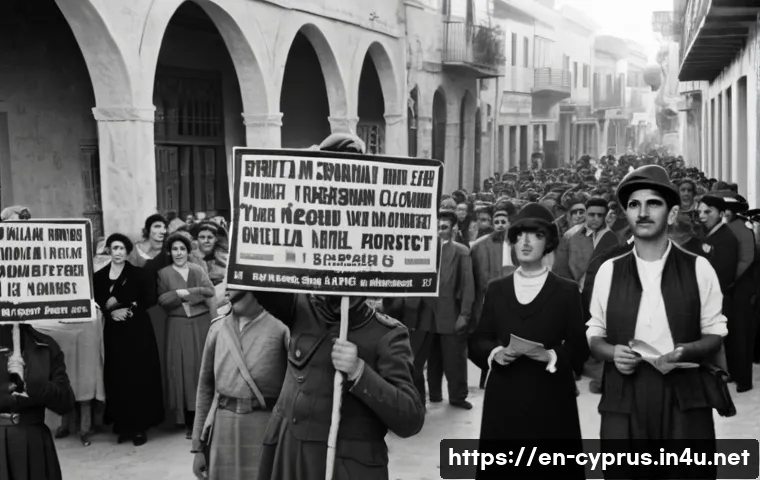
These divergent positions complicated the path forward and prolonged the conflict, illustrating how Cyprus’s independence struggle was entangled with broader regional tensions.
Negotiating Independence: The Zurich and London Agreements
Key Provisions and Stakeholders
After years of conflict and negotiations, Cyprus’s independence was formalized through the Zurich and London Agreements in 1959. These agreements involved Britain, Greece, Turkey, and Cypriot representatives and established Cyprus as an independent republic with a complex power-sharing constitution designed to balance Greek and Turkish Cypriot interests.
Key provisions included a bi-communal government structure, guaranteed rights for both communities, and the continued presence of British military bases.
While the agreements represented a diplomatic breakthrough, they also reflected compromises that left many grievances unresolved, particularly among nationalists on both sides.
Challenges in Implementing the New Constitution
The constitution created under the agreements aimed to prevent dominance by either ethnic group through a system of checks and balances. However, in practice, the arrangement proved difficult to implement.
Political deadlock, mutual suspicion, and competing nationalist agendas undermined the functioning of government institutions. Both communities struggled to reconcile their aspirations with the realities of coexistence, leading to tensions that occasionally erupted into violence.
This fragile balance highlighted the limitations of externally imposed solutions in deeply divided societies and underscored the ongoing challenges Cyprus faced even after gaining formal independence.
Role of Britain and the Guarantor Powers
Britain, along with Greece and Turkey, assumed the role of guarantor powers responsible for preserving Cyprus’s independence and constitutional order.
This tripartite guarantee system was unique but also problematic, as it allowed external intervention in Cypriot affairs under certain conditions. Over time, the competing interests of these guarantor states complicated Cyprus’s internal politics and contributed to instability.
Britain’s continued military presence served strategic interests but also fueled nationalist resentment. The guarantor framework thus became both a safeguard and a source of tension, reflecting the complexities of post-colonial statecraft in a geopolitically sensitive region.
Legacy of Cyprus’s Independence Movement
Influence on Regional Geopolitics
Cyprus’s independence movement had far-reaching consequences beyond the island itself. The struggle became emblematic of broader post-colonial conflicts and ethnic nationalism in the Mediterranean and the Middle East.
The delicate balance established by independence agreements influenced Greece-Turkey relations and affected NATO dynamics, given both countries’ membership in the alliance.
Cyprus’s strategic location continued to attract global interest, making the island a focal point in Cold War and post-Cold War geopolitical calculations.
Understanding this legacy is crucial to grasping the ongoing political sensitivities and peace efforts in the region.
Continuing Ethnic Divisions and Political Challenges
Despite independence, Cyprus remained deeply divided along ethnic lines, a reality that has shaped its modern political landscape. The unresolved tensions between Greek and Turkish Cypriots have led to decades of negotiation, conflict, and attempts at reconciliation.
The island’s division since 1974 into separate administrations reflects the enduring impact of historical grievances and geopolitical rivalries. Efforts to reunify the island continue, but the legacy of the independence movement—marked by both hope and conflict—remains a powerful influence on Cypriot identity and politics.
Historical Memory and National Identity Formation
The independence movement is a cornerstone of Cyprus’s national identity, celebrated for its resilience and determination in the face of colonialism. Commemorations, education, and cultural expressions keep the memory of this struggle alive for new generations.
Yet, interpretations of this history vary widely between communities, reflecting differing narratives and experiences. This plurality of memory underscores the complexity of nation-building in multiethnic societies and highlights the importance of inclusive historical dialogue for peace and understanding.
| Period | Key Events | Main Actors | Outcomes |
|---|---|---|---|
| Ottoman Era to British Takeover (Pre-1878 to 1878) | Ottoman rule; British administration begins | Ottoman Empire, British Empire, Cypriot communities | Shift in colonial power; emerging ethnic tensions |
| Early 20th Century to 1940s | Rise of Enosis movement; formation of political groups | Greek Cypriots, Turkish Cypriots, British authorities | Growing nationalist activism; ethnic polarization |
| Post-World War II Period | New political parties; international diplomacy | Greek Cypriot and Turkish Cypriot parties; UN involvement | Political pluralism; complex negotiations |
| 1955-1959 | EOKA armed campaign; British counterinsurgency | EOKA, British military, Cypriot civilians | Escalation of conflict; international mediation efforts |
| 1959-1960 | Zurich and London Agreements; independence declared | Britain, Greece, Turkey, Cypriot leaders | Establishment of independent Cyprus; fragile power-sharing |
Conclusion
The journey toward Cyprus’s independence was marked by a complex blend of colonial legacies, ethnic tensions, and determined activism. Despite significant challenges and ongoing divisions, the island’s struggle has shaped its identity and political landscape profoundly. Understanding this history is essential to appreciating Cyprus’s continuing quest for peace and unity.
Useful Information to Know
1. Cyprus’s strategic location in the Eastern Mediterranean has long attracted the interest of global powers, influencing its political history.
2. The concept of Enosis, or union with Greece, was a central driving force behind Greek Cypriot nationalism in the 20th century.
3. The British colonial administration’s policies often deepened ethnic divisions rather than resolving them.
4. The EOKA armed campaign marked a significant escalation from peaceful protest to violent resistance in the fight for independence.
5. The Zurich and London Agreements established a power-sharing constitution but also sowed seeds of future political deadlock.
Key Takeaways
Cyprus’s path to independence highlights the difficulties of balancing ethnic identities within a colonial and post-colonial framework. The interplay between Greek Cypriot and Turkish Cypriot aspirations, combined with the involvement of external guarantor states, created a fragile political environment. These complexities continue to influence Cyprus’s efforts toward reconciliation and stability today.
Frequently Asked Questions (FAQ) 📖
Q: What were the main factors that led to Cyprus seeking independence?
A: Cyprus’s push for independence was driven by a combination of long-standing foreign domination, mainly by the British Empire, and deep-rooted ethnic tensions between Greek Cypriots and Turkish Cypriots.
Greek Cypriots, inspired by the idea of Enosis (union with Greece), strongly opposed colonial rule and wanted self-determination. At the same time, Turkish Cypriots were concerned about their security and political representation, which added complexity to the independence movement.
The island’s strategic location also made it a geopolitical hotspot, intensifying international involvement. Together, these factors fueled a resilient and determined fight for freedom.
Q: How did the independence movement impact Cyprus’s modern identity?
A: The struggle for independence deeply shaped Cyprus’s national identity by uniting its people around the ideals of sovereignty and self-governance, despite ongoing ethnic divisions.
It created a sense of pride and resilience, embedding a narrative of overcoming colonial rule and external pressures. However, the process also exposed underlying cultural and political fractures that have influenced Cyprus’s internal dynamics ever since.
Today, the legacy of this movement is reflected in the island’s political structures, its ongoing quest for unity, and its role as a unique bridge between East and West.
Q: What role did international powers play during Cyprus’s path to independence?
A: International powers played a significant and often complicated role in Cyprus’s journey to independence. Britain, as the colonial ruler, initially resisted relinquishing control but eventually negotiated the island’s independence under pressure both locally and internationally.
Greece and Turkey, as neighboring states with vested ethnic and strategic interests, influenced the island’s political landscape and sometimes fueled tensions.
Additionally, global Cold War dynamics meant that Cyprus became a point of interest for superpowers looking to maintain regional balance. This external involvement made the independence process more challenging but also highlighted Cyprus’s importance on the world stage.