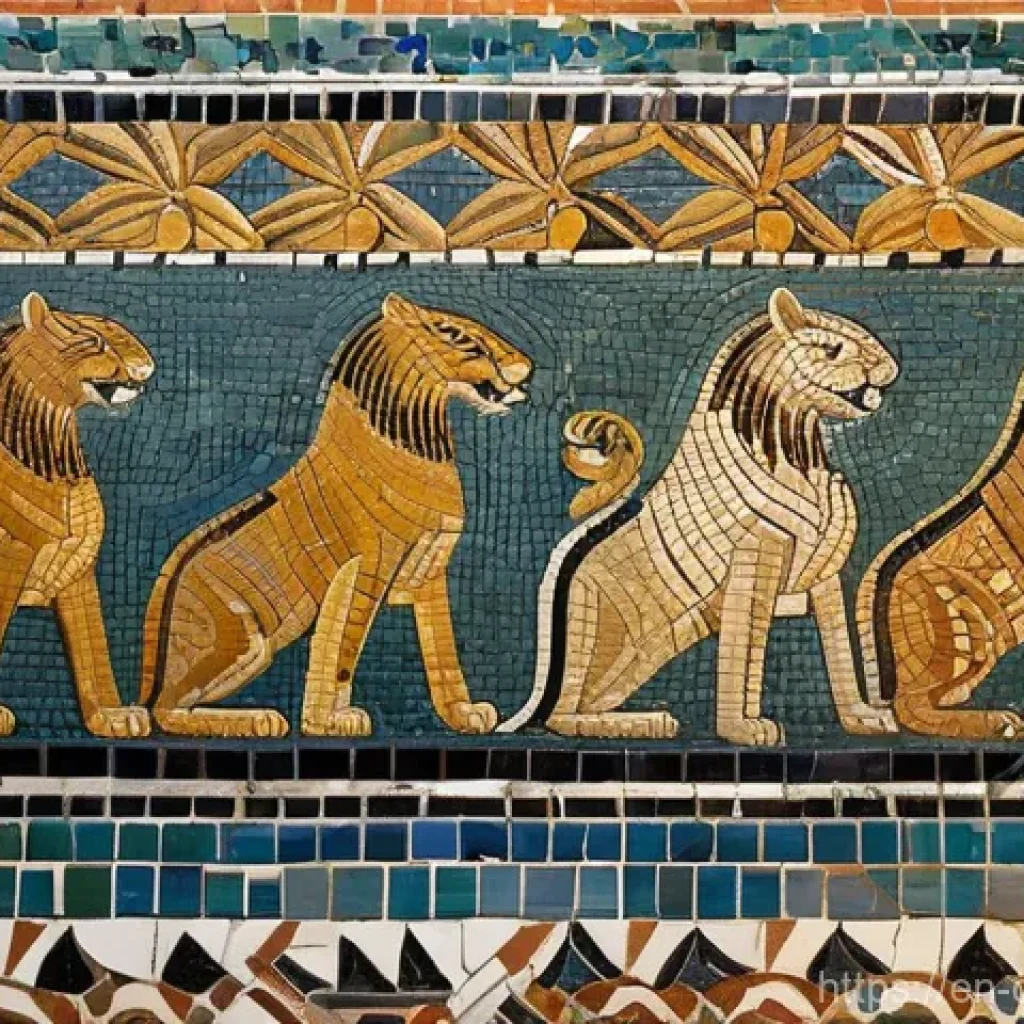
Have you ever wandered through a place where history isn’t just in books, but visibly etched into every building? That’s precisely the enchanting experience awaiting you with Cyprus’s truly unique architectural styles.
I’ve always been fascinated by how ancient civilizations and empires leave their marks, and the blend of Greek, Roman, Byzantine, and even Venetian influences here creates something truly special you won’t find anywhere else.
Every arch, every stone, and every sun-drenched courtyard tells a story, making each glance a discovery. If you’re curious to uncover the secrets behind these captivating structures and their journey through time, let’s explore the fascinating world of Cypriot architecture in detail below.
Echoes of Empires: The Roman and Greek Foundations
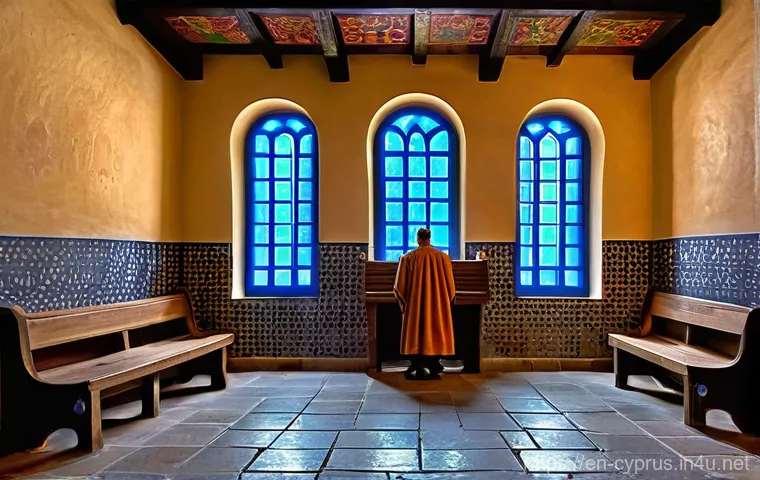
The Enduring Legacy of Ancient Kourion
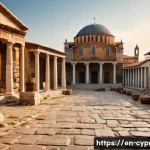
When I first stepped onto the ancient grounds of Kourion, I was completely swept away. It’s truly incredible how much history is literally under your feet, and the panoramic views of the Mediterranean Sea from the ancient theatre are just breathtaking.
I remember thinking, “Wow, the Romans really knew how to pick a spot!” The amphitheater, still used today for performances, truly showcases their engineering prowess.
Imagine gladiatorial contests and dramatic plays unfolding in that very space! The ruins of the House of Eustolios, with its intricate mosaic floors and bathing complex, felt so personal, like getting a glimpse into the daily lives of people who walked these paths millennia ago.
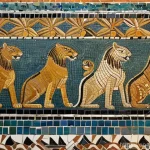
It’s not just about grand structures; it’s about the feeling you get when you connect with such a rich past. The details in the mosaics, depicting birds and geometric patterns, speak volumes about the artistry and culture of the time, making you feel a direct link to the Roman era.
You can almost hear the echoes of conversations and daily life, which adds to the profound experience of walking through such an incredibly preserved historical site.
Paphos Mosaics: Art Underfoot
My jaw honestly dropped when I saw the Paphos mosaics. Seriously, forget museums with ropes and glass; here, you’re practically walking among masterpieces.
The House of Dionysus, the House of Aion, and the House of Theseus – each one felt like an open-air art gallery, revealing mythological tales in vivid stone.
I spent ages just trying to decipher the stories, completely mesmerized by the vibrant colors and incredible detail that have survived centuries of exposure.
It really makes you wonder about the artisans who created them and the wealthy patrons who commissioned such elaborate floors. It’s not just pretty pictures; these mosaics are a window into the beliefs, daily lives, and artistic sensibilities of the Roman elite in Cyprus.
I actually found myself crouching down, examining every tiny tessera, marveling at the precision and dedication that went into each piece. It’s a completely immersive experience, unlike any other, where you feel so close to the history that it almost feels tangible.
Trust me, wear comfy shoes because you’ll want to explore every inch!
Byzantine Brilliance: Sacred Spaces and Fortified Walls
Painted Churches of the Troodos: A UNESCO Treasure
Driving through the winding roads of the Troodos Mountains, I stumbled upon some of the most unexpectedly beautiful and serene places I’ve ever encountered: the painted Byzantine churches.
These aren’t your grand cathedrals; they’re often humble, stone-built structures tucked away in remote villages, yet inside, they explode with color and spiritual narratives.
I remember walking into one, the Church of Ayios Nikolaos tis Stegis, and being absolutely overwhelmed by the frescoes covering every inch of the walls and ceiling.
It felt like stepping into a living, breathing history book. The vivid narratives from the Bible, the stern yet compassionate faces of saints, all painted with such incredible detail and devotion, really moved me.
It’s a testament to the deep faith and artistic skill of the Byzantine era, often created by anonymous monks. The cool, quiet interiors offered a real sense of peace, a stark contrast to the bright Cypriot sun outside, creating an almost otherworldly atmosphere.
It’s easy to see why UNESCO recognized these as World Heritage Sites; they’re truly irreplaceable cultural and artistic gems.
Castles of the Crusaders: Defending the Island
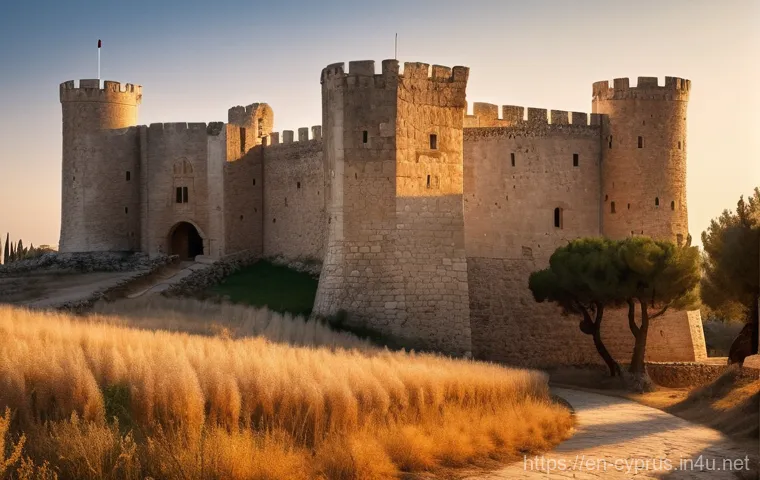
Cyprus’s strategic location meant it was a coveted prize, and the Crusader castles truly tell that story of defense and dominion. I’ve always been a bit of a history buff, so exploring places like Kolossi Castle was a dream come true.
Standing on its battlements, you can almost feel the presence of knights and hear the clang of swords and the bustle of medieval life. It’s a stout, imposing structure, originally a commandery of the Knights of St.
John, and it’s remarkably well-preserved, giving you a clear picture of its past glory. You get a real sense of the military architecture of the period – thick walls, narrow windows for archers, and strategic viewpoints designed for maximum defensive capability.
My personal experience climbing the winding staircase to the top gave me such an appreciation for the foresight and planning involved in its construction.
These castles weren’t just fortresses; they were crucial strongholds, providing a sense of security and control over the surrounding lands and vital sea routes during those turbulent Crusader times.
Venetian Grandeur: Coastal Castles and Urban Elegance
Nicosia’s Venetian Walls: A Circular Embrace
Have you ever seen a city embraced by a perfect circle of walls? That’s Nicosia, and its Venetian Walls are absolutely iconic. When I first saw them on a map, I was intrigued by their unique shape, but seeing them in person, especially from a vantage point, is something else entirely.
They’re a monumental feat of Renaissance military engineering, designed specifically to withstand the new threat of cannon fire, and they still stand proudly today, defining the old city’s boundaries.
Walking along parts of the bastions, I could almost picture the Venetian defenders looking out over the plains, ready for any invasion. It’s not just a historical relic; these walls shaped the very layout and character of the city for centuries, influencing everything from the street patterns to the unique sense of community that developed within their protective embrace.
It’s a powerful reminder of how external forces can permanently etch themselves into a city’s identity, creating a truly unique urban landscape that blends military might with civic pride.
Famagusta’s Gothic Remnants
Famagusta felt like stepping into a ghost town with grand ambitions. The city’s history under Venetian rule is palpable in its stunning, yet sadly damaged, Gothic architecture.
The Othello Castle, for instance, evokes such a sense of drama, and standing there, I couldn’t help but think of Shakespeare’s tragic play, imagining its setting.
But the real stunner for me was the Lala Mustafa Pasha Mosque, which was originally the magnificent Cathedral of Saint Nicholas. It’s an incredibly poignant example of architectural transformation, where Gothic grandeur meets Ottoman minarets in a striking fusion.
The sheer scale and intricate carvings of the original cathedral are still evident, even with the later Islamic additions, and it tells a complex story of conquest, cultural assimilation, and resilience.
It’s a place where you can spend hours just absorbing the layers of history, imagining the vibrant port city Famagusta once was, truly a testament to the powerful Venetian influence and subsequent historical shifts.
| Architectural Period | Key Characteristics | Notable Examples |
|---|---|---|
| Ancient Greek & Roman | Grand public buildings, intricate mosaic floors, amphitheatres, temples, stoas, extensive use of marble and local limestone. Focused on civic life and religious structures. | Kourion Theatre, Paphos Mosaics (House of Dionysus), Amathus Ruins |
| Byzantine | Domed churches, vibrant frescoes, fortified monasteries, use of stone and brick, often unassuming exteriors contrasting with richly decorated interiors. | Painted Churches of Troodos (e.g., Ayios Nikolaos tis Stegis), Kykkos Monastery |
| Crusader/Frankish | Robust fortified castles, distinct Gothic elements in religious buildings, thick defensive walls, military strongholds, often built over earlier structures. | Kolossi Castle, Bellapais Abbey (Gothic elements) |
| Venetian | Massive city walls (e.g., Nicosia’s iconic circular walls), imposing coastal fortifications, Gothic churches with Renaissance additions, public buildings, emphasis on defense and trade. | Nicosia Walls, Famagusta City Walls & Othello Castle, St. Nicholas Cathedral (now Lala Mustafa Pasha Mosque) |
| Ottoman | Elegant mosques with slender minarets, bathhouses (hammams), traditional residential architecture featuring internal courtyards, wooden elements, characteristic domes. | Hala Sultan Tekke, Great Mosque (Larnaca), Old Hamam (Nicosia) |
Ottoman Overlays: Minarets and Traditional Homes
Larnaca’s Hala Sultan Tekke: A Serene Sanctuary
I’ve always found that the architecture of different eras often coexists in fascinating ways, and Cyprus is a prime example of this beautiful blend. The Ottoman influence brought a distinct flavor to the island, and one of the most serene examples I encountered was the Hala Sultan Tekke in Larnaca.
It’s a beautiful mosque complex situated right by the tranquil salt lake, and the contrast of its elegant minaret against the calm waters and migratory flamingos is just stunningly picturesque.
Walking through its peaceful courtyards, I felt a deep sense of calm and reverence. The Ottoman style, with its characteristic domes, graceful arches, and intricate tilework, adds such a spiritual and aesthetic layer to the island’s already rich architectural tapestry.
It’s not just a beautiful building; it’s a significant place of pilgrimage and history, beautifully maintained, offering a profound glimpse into a significant period of Cypriot history and the lasting impact it had on the island’s landscape and cultural identity.
It reminds you that beauty and meaning can emerge from many different traditions converging.
Traditional Cypriot Village Houses: Mudbrick and Wood
Away from the grand historical sites, exploring the traditional village houses really brought Cypriot life into perspective for me. These aren’t flashy or monumental; they’re built for pure practicality and comfort in the Mediterranean climate, often from humble yet effective materials like mudbrick, local stone, and timber.
I loved seeing the internal courtyards, designed specifically to offer shade and a private, cool space for family life, a brilliant passive cooling technique.
The charming wooden balconies and intricate lattice work, sometimes adorned with vibrant flowers cascading over them, added such a unique and inviting touch.
You can tell these homes were built with generations in mind, adapting perfectly to the local environment and available resources. It felt so authentic, a far cry from modern concrete structures that often lack character.
Walking through villages like Omodos or Lefkara, you get a real sense of community and tradition, where architecture isn’t just about design, but about a sustainable way of life that has been thoughtfully passed down through centuries.
Colonial Charms: British Influence on Island Living
Limassol’s Grand Buildings: A British Touch
After the Ottomans, the British arrived, and their architectural legacy, while perhaps less dramatic than the ancient empires, is certainly visible, especially in cities like Limassol.
I noticed a distinct change in the style of some public buildings and grander residences – more neoclassical elements, inviting verandas, and a sense of ordered formality that felt distinctly European.
It’s a subtle but undeniable layer added to the island’s diverse architectural heritage. Walking through some of the older parts of Limassol, I could clearly spot the influence in the sturdy, often pastel-colored buildings with their large, symmetrical windows and sometimes ornate ironwork balconies.
It wasn’t about imposing a totally new, alien style, but rather integrating a refined British sensibility into the existing Mediterranean fabric. This era really shaped the administrative and commercial centers, giving them a slightly different, more formal European feel, a blend that I personally find quite charming and adds another unique dimension to Cyprus’s diverse architectural story.
Hill Stations and Summer Retreats
One of the more unique aspects of British influence, which I found absolutely fascinating, was the development of hill stations in the cooler Troodos Mountains.
Escaping the intense summer heat was a top priority for the British administration and their families, and they built resorts and residences that mirrored styles from their homeland, creating little pockets of familiar comfort.
Places like Platres and Kakopetria, while still distinctly Cypriot in many ways, have certain villas and hotels that strongly hint at a British colonial past.
It felt a bit like stepping into a time capsule, imagining officials and their families enjoying the cooler mountain air, seeking respite from the coastal heat.
These retreats offered a different kind of architectural imprint, less about grand statements and more about creating comfortable, familiar environments in a foreign land.
It shows how architecture isn’t just about power or grand design, but also about adapting to climate and culture, even when trying to maintain a sense of ‘home’ abroad.
Modern Mediterranean: Contemporary Designs with Heritage Roots
Blending Old and New: Innovative Resorts
It’s easy to get lost in the past in Cyprus, but the island is also evolving, and I’ve been really impressed by how some contemporary architects are blending modern design with a deep respect for heritage.
You see it especially in newer resorts and high-end residential areas that aim for both luxury and authenticity. They’re not just throwing up generic glass boxes; instead, they’re thoughtfully incorporating local materials like natural stone and warm wood, utilizing traditional elements such as cooling courtyards and shaded verandas, but with a sleek, minimalist aesthetic.
It’s a smart way to build, acknowledging the island’s unique history and climate while embracing modern living and comfort. I particularly enjoyed seeing how natural light is played with to create stunning interiors, and how indoor-outdoor living is seamlessly integrated to maximize the Mediterranean lifestyle.
It shows a forward-thinking approach that honors the past without being stuck in it, creating spaces that feel distinctly Cypriot yet utterly contemporary and inviting.
Sustainable Architecture: Building for Tomorrow
What really excites me about modern Cypriot architecture is the growing, conscious focus on sustainability. Given the island’s climate and limited resources, it just makes perfect sense to build responsibly.
I’ve noticed more buildings designed to maximize natural ventilation, harness abundant solar power through clever panel integration, and use locally sourced, eco-friendly materials wherever possible.
It’s not just about aesthetics anymore; it’s fundamentally about creating structures that are energy-efficient, environmentally comfortable, and leave a smaller carbon footprint.
This approach resonates deeply with me, especially after witnessing the enduring wisdom and efficiency of traditional building methods that were inherently sustainable.
It feels like a full circle moment, where the simplicity and effectiveness of ancient techniques are being reinterpreted through modern technology and a heightened environmental consciousness.
This commitment to sustainable building ensures that Cyprus’s architectural narrative will continue to be vibrant, responsible, and inspiring for generations to come.
Materials and Methods: Crafting Cypriot Identity
Limestone and Stone: The Island’s Natural Palette
If there’s one thing that truly defines Cypriot architecture across the ages, it’s the omnipresent use of local stone, especially the beautiful limestone.
Everywhere I looked, from the ancient ruins of empires past to the charming traditional villages and even some contemporary homes, the island’s natural bounty was evident in the building materials.
The way the golden-hued limestone catches the Mediterranean sun is just magical, giving buildings a warm, inviting glow. It’s not just about aesthetics, though; stone provides incredible natural insulation, keeping interiors refreshingly cool in the scorching summer and relatively warm in the milder winter.
I’ve personally seen how skilled masons work with these materials, a craft that has been honed and perfected over thousands of years on the island. The unique texture, the subtle color variations, and the sheer durability of stone give Cypriot buildings a grounding, timeless quality.
It truly connects the structures to the very land itself, making them feel like an organic extension of the island’s geology and spirit.
Timber and Clay: Traditional Craftsmanship
While stone might be king in many Cypriot constructions, timber and clay have played equally crucial roles in shaping the island’s homes, especially in the more rural and mountainous areas.
I’ve always appreciated how traditional builders ingeniously used readily available resources to create comfortable and sturdy dwellings. You see beautiful wooden balconies, intricately carved ceiling beams, and sturdy doors crafted with such care and attention to detail.
The clay, often mixed with straw for added strength and insulation, was perfect for making sun-dried mudbricks, creating homes that were surprisingly resilient, naturally insulated, and breathable.
It’s a testament to ingenious, sustainable building practices that predate any modern eco-conscious movement by centuries. These materials, combined with simple yet incredibly effective construction techniques, resulted in homes that were perfectly adapted to the local climate and traditional lifestyle.
It truly reminds me how much inherent wisdom is embedded in these traditional methods, offering comfort and efficiency without any complex or high-tech solutions.
A Walk Through Time: Experiencing Cyprus’s Architectural Tapestry
Wandering Through Old Town Alleys
For me, the absolute best way to truly experience Cyprus’s architectural tapestry is to simply get wonderfully lost in the old town alleys of places like Nicosia or Limassol.
Forget the maps for a bit and just allow yourself to wander with an open mind. Every unexpected turn reveals something new and exciting – it could be a crumbling Venetian archway leading to a vibrant Ottoman-era courtyard, or perhaps a grand neoclassical British building standing proudly next to a traditional Cypriot home with its brightly painted shutters.
It’s like a living, breathing, open-air museum, and you can literally trace centuries of history with every single step you take. I vividly remember feeling such a thrill rounding a corner and unexpectedly coming across a stunning, ancient church tucked away.
It’s these serendipitous discoveries, the layers of history unfolding before your eyes, that make exploring so incredibly rewarding. The echoes of past civilizations aren’t just confined to archaeological sites; they’re deeply woven into the very fabric of daily life, offering an incredibly rich and immersive experience that truly connects you to the island’s soul.
Preservation Efforts and Future Visions
It’s abundantly clear that Cyprus cherishes its architectural heritage, and I’ve been really impressed by the ongoing, dedicated efforts to preserve these unique and invaluable structures.
From the meticulous restoration of ancient Roman mosaics to the careful maintenance of Byzantine churches and Ottoman mosques, there’s a real, palpable commitment across the island to safeguarding this irreplaceable past for future generations.
But it’s not just about looking backward; there’s also a thoughtful, forward-looking vision shaping the island. Architects and urban planners are actively working to integrate these precious historical elements into modern urban development, ensuring that new constructions respect the existing aesthetic and profound cultural landscape.
It’s a delicate balance, undoubtedly, but when done right, it ensures that Cyprus’s fascinating architectural story continues to evolve dynamically without ever losing its deep historical soul.
This dedication means that future generations, and visitors like us, will continue to be able to marvel at this island’s truly unique and captivating blend of architectural styles.
Concluding Thoughts
Honestly, diving into Cyprus’s architectural wonders has been nothing short of a revelation. Every stone, every archway, every fresco tells a story, weaving a vibrant tapestry of human history that stretches back millennia.
It’s truly a place where you can feel the echoes of empires – Roman, Byzantine, Venetian, Ottoman, and British – all contributing to an utterly unique cultural identity.
I’ve found myself repeatedly lost in thought, imagining the lives that unfolded within these magnificent structures. This island isn’t just a collection of historical sites; it’s a living museum that deeply connects you to the past.
Useful Information to Know
1. Getting around Cyprus to explore these sites is best done by renting a car. Public transport can be limited, especially to some of the more remote churches in the Troodos Mountains, giving you the freedom to set your own pace and discover hidden gems.
2. When visiting religious sites, especially the Byzantine churches, remember to dress respectfully. This typically means covering your shoulders and knees. It’s a small gesture that goes a long way in showing appreciation for local customs and traditions.
3. While many archaeological sites have visitor centers, it’s a great idea to download an offline map or a dedicated history app for Cyprus before you go. Signal can be spotty in some areas, and having information at your fingertips truly enhances the experience.
4. Don’t forget to stay hydrated! Exploring ruins and wandering through old towns can be quite a workout under the Mediterranean sun. Always carry water, especially during the warmer months, to keep your energy up for all that fascinating discovery.
5. Combine your historical explorations with a taste of local Cypriot cuisine. Many villages near key architectural sites offer fantastic traditional tavernas where you can refuel with authentic dishes like souvla, meze, and halloumi, making your trip a feast for all senses.
Key Takeaways
Cyprus is an extraordinary island that offers an unparalleled journey through architectural history, a true melting pot where each conqueror and cultural wave left an indelible mark.
From the grand Roman theaters and intricate mosaics to the serene Byzantine churches, the formidable Crusader castles, the imposing Venetian walls, and the elegant Ottoman mosques, every era tells a compelling tale.
The island’s builders masterfully utilized local materials like golden limestone, timber, and clay, creating structures that are both beautiful and perfectly adapted to the Mediterranean climate.
Exploring Cyprus means stepping into a vibrant, living history book, where the past is not just preserved but deeply woven into the very fabric of daily life, offering a truly immersive and unforgettable experience for anyone curious about the enduring legacy of human civilization.
Frequently Asked Questions (FAQ) 📖
Q: What makes Cypriot architecture so uniquely captivating compared to other historical destinations?
A: Oh, this is a question I get all the time, and for good reason! What I’ve personally found so mesmerizing about Cypriot architecture is its incredible ability to tell a story spanning millennia, not just centuries.
Unlike many places where one dominant style shines, Cyprus is this amazing mosaic. Imagine strolling down a street and seeing remnants of ancient Greek temples right next to a sturdy Byzantine church, then turning a corner to find a charming Venetian mansion, all while spotting some Ottoman influences in the details.
It’s truly a historical ‘greatest hits’ album in stone! From my experience exploring countless historical sites, this eclectic blend—Greek, Roman, Byzantine, Frankish, Venetian, and Ottoman—isn’t just a historical footnote; it’s a living, breathing tapestry that makes every building a conversation starter.
You don’t just see a building; you see the echoes of empires that shaped an island, and honestly, that’s what keeps me coming back. It’s a sensory feast for history buffs and casual sightseers alike, promising a new discovery with every visit.
Q: Which specific historical periods and empires left the most visible and impactful architectural legacies on Cyprus?
A: That’s a brilliant follow-up question, because understanding the layers is key to appreciating the full picture! From what I’ve observed firsthand, and trust me, I’ve spent countless hours wandering through these ancient stones, the most striking imprints come from a few powerhouse eras.
You absolutely can’t miss the Ancient Greek and Roman influences – think grand theatres, intricate mosaics, and robust public buildings that showcase classical beauty.
Then, the Byzantine Empire left an undeniable mark with its stunning frescoed churches, many of them UNESCO World Heritage Sites, which truly transport you back in time.
Walking into one of those feels like stepping into a sacred art gallery! Later, the Frankish period (Lusignan era) brought those incredible Gothic cathedrals, often later converted into mosques, creating these fascinating hybrid structures that just demand a closer look.
And let’s not forget the Venetians, who fortified the island with those imposing walls and elegant palazzi, especially noticeable in cities like Famagusta and Nicosia.
Each era layered its own architectural language onto the island, creating a visual dialogue between different civilizations. It’s like a history book you can walk through, and every page is a masterpiece.
Q: For someone visiting Cyprus, are there particular types of buildings or architectural features I should make sure to see?
A: Absolutely! This is where the real fun begins – putting all this historical knowledge into practice! If you’re anything like me, you love a good scavenger hunt, and Cyprus offers an architectural treasure trove.
Based on my numerous trips, here are my absolute must-sees. First off, you have to visit one of the painted Byzantine churches in the Troodos Mountains.
Their vibrant frescoes and unique architecture are simply breathtaking and unlike anything you’ll see elsewhere. I remember visiting Asinou and just being utterly speechless at the artistry.
Then, make sure to explore the ancient Kourion or Paphos Archaeological Park to truly grasp the scale of Roman influence – the mosaics there are truly world-class, and I’ve spent hours just admiring the detail.
For a taste of medieval Cyprus, the Kolossi Castle is a fantastic example of Crusader architecture, and imagining the knights walking those halls really brings history to life.
And don’t forget the Venetian walls of Nicosia, which are an engineering marvel and offer incredible insights into the island’s strategic past. Trust me, dedicating time to these specific sites will not only enrich your understanding but also provide some seriously Instagrammable moments!
You’ll walk away not just with photos, but with stories etched into your memory, just like the history etched into these amazing buildings.