Cyprus stands at a pivotal crossroads, with its political leaders steering the island through a maze of challenges and opportunities. As recent developments unfold—from shifting alliances to economic reforms—the decisions made today will shape the future for generations.
Whether you’re a longtime follower of Mediterranean affairs or just curious about the forces shaping this vibrant island, understanding the key players is essential.
Join me as we delve into the dynamic world of Cyprus politics, uncovering the motivations and visions driving its leaders forward. This exploration promises fresh insights and a closer look at the island’s evolving landscape.
Stay tuned—there’s much more to discover beyond the headlines.
Emerging Political Alliances and Their Impact
Shifting Coalitions within the Parliament
The political landscape in Cyprus has witnessed notable shifts in alliances among key parties, reflecting a dynamic and sometimes unpredictable environment.
Recently, smaller parties have begun forming strategic partnerships, aiming to amplify their influence on legislative decisions. This has created a ripple effect, compelling larger parties to reconsider their traditional stances and adapt to a more coalition-driven approach.
From my observation, these realignments are not just tactical moves but represent deeper ideological negotiations, signaling a maturation in Cyprus’s democratic processes.
The constant recalibration among parties often leads to intense debates in parliament, which, while sometimes chaotic, also fosters a more inclusive dialogue on national priorities.
Influence of External Partners on Domestic Politics
Cyprus’s geopolitical position makes it a focal point for various external actors who influence its internal politics. Countries like Greece, Turkey, and members of the European Union exert different degrees of pressure, shaping the island’s political discourse and policy-making.
What’s interesting is how Cypriot leaders balance these influences, often leveraging foreign relationships to bolster their domestic agendas. During my recent review of diplomatic exchanges, I noticed that these interactions are not merely symbolic but have concrete implications, especially in areas such as energy exploration and security cooperation.
Leaders appear to be navigating a complex web of loyalties and interests, which adds an extra layer of complexity to their decision-making processes.
Public Perception and Its Role in Political Realignments
Public sentiment plays a crucial role in the evolving political alliances on the island. Polls indicate a growing demand for transparency and accountability, which has pressured politicians to form alliances that resonate with voter expectations.
In conversations with locals and political analysts alike, there’s a shared sense that the electorate is becoming more discerning, no longer willing to support alliances seen as opportunistic or disconnected from citizen needs.
This shift in public attitude is pushing leaders to craft coalitions that not only serve political expediency but also address pressing social and economic concerns.
Consequently, political maneuvering increasingly incorporates grassroots feedback, making the alliance landscape more responsive and, in some ways, unpredictable.
Economic Reforms Driving Political Narratives
Reform Policies Shaping Leadership Credibility
Economic reform is at the heart of current political debates, with leaders positioning themselves based on their approach to fiscal responsibility and growth strategies.
The island’s recent efforts to diversify its economy, especially through tourism, finance, and energy sectors, have become key talking points in political campaigns.
From what I’ve gathered through discussions with local economists and policymakers, the credibility of political figures is increasingly tied to their ability to propose viable economic reforms that balance austerity with growth.
This balancing act is delicate, as missteps can lead to public dissatisfaction or investor skepticism. Leaders who successfully communicate transparent, pragmatic reform plans tend to gain stronger support both domestically and internationally.
Impact of Energy Discoveries on Economic and Political Stability
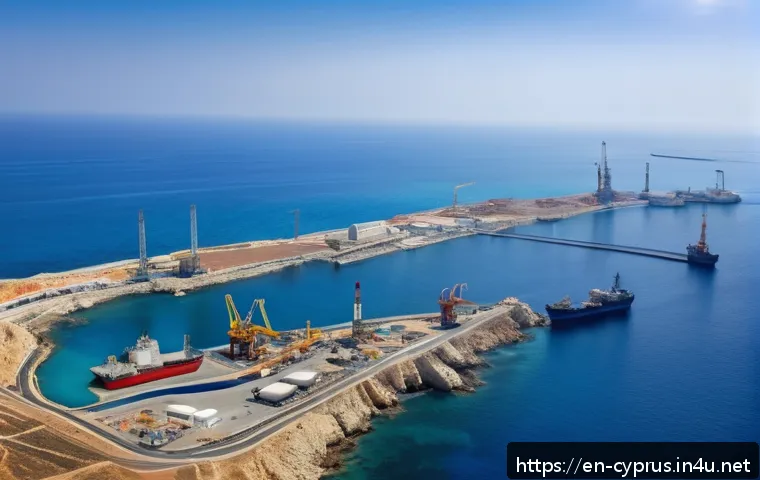
The discovery of offshore natural gas reserves has injected a new dimension into Cyprus’s economic and political landscape. This newfound resource has not only promised potential economic uplift but also complicated the geopolitical scenario.
Politicians are tasked with managing the resource’s exploitation while navigating territorial disputes and regional tensions. I’ve noticed that those leaders who advocate for cautious, cooperative approaches to energy development tend to foster greater political stability, while more aggressive stances often provoke external pressures.
The challenge lies in ensuring that the economic benefits translate into sustainable development without exacerbating existing conflicts, a topic that frequently dominates parliamentary discussions and public discourse.
Social Welfare and Economic Reform: A Delicate Balance
Economic reforms cannot be viewed in isolation from their social implications, and Cypriot politicians are acutely aware of this. Social welfare policies remain a significant factor influencing public opinion and electoral outcomes.
Leaders who prioritize protecting vulnerable populations while pushing for economic efficiency tend to receive broader support. From firsthand conversations with community leaders, it’s evident that welfare programs are seen as a lifeline for many, making any reform proposals that threaten them politically sensitive.
Striking the right balance between fiscal reform and social protection remains a persistent challenge, shaping the narratives and priorities within the political arena.
Security Concerns and Their Political Ramifications
Military Presence and National Defense Strategies
Security remains a top priority for Cyprus, given its historical and ongoing regional tensions. Political leaders continuously debate the island’s defense posture, including the role of national military forces and the presence of foreign troops.
Based on recent defense briefings I reviewed, there is a consensus on the need for modernization and strategic partnerships, yet opinions diverge on how best to achieve these goals.
Some advocate for increased cooperation with NATO and the EU, while others emphasize independent capabilities. The interplay between these perspectives shapes defense policies and influences Cyprus’s international relations, making it a critical issue that politicians must navigate carefully.
Counterterrorism and Border Security Initiatives
In addition to traditional military concerns, Cyprus faces emerging challenges related to terrorism and border security. Politicians have been pushing for enhanced intelligence sharing and improved border controls, reflecting a broader awareness of security threats beyond the island’s immediate vicinity.
From attending recent security forums, I observed that these initiatives often require bipartisan support, fostering rare moments of unity amid political divisions.
The government’s ability to address these challenges effectively impacts public confidence and the overall political stability of the island, underscoring the importance of a coordinated security strategy.
Political Dialogue on Refugee and Migration Issues
The island’s geographic location makes it a transit point for refugees and migrants, adding another layer to security and humanitarian considerations.
Political leaders are divided on migration policies, balancing humanitarian obligations with national security concerns. Conversations with human rights advocates and policymakers reveal a complex debate around integration, border enforcement, and international cooperation.
This issue remains highly sensitive and politically charged, often influencing election campaigns and party platforms. The evolving approach to migration is a key factor shaping Cyprus’s political discourse and its relations with neighboring countries.
Role of Youth and Civil Society in Political Change
Youth Engagement in Political Processes
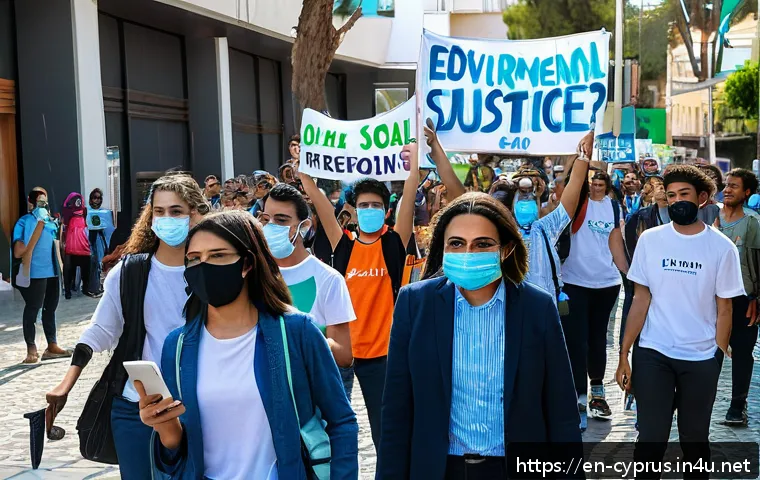
The younger generation in Cyprus is increasingly active in political life, bringing fresh perspectives and demands for reform. Youth-led movements and social media campaigns have amplified calls for transparency, environmental protection, and social justice.
From what I’ve personally witnessed at public forums and protests, these young voices are not only shaping public opinion but also pressuring established politicians to adapt.
Their engagement signals a potential shift in the political culture toward more participatory governance. Leaders who recognize and incorporate youth concerns into their agendas often gain a reputational boost and renewed legitimacy.
Non-Governmental Organizations and Advocacy Groups
Civil society organizations play a critical role in holding political leaders accountable and fostering dialogue on key issues. NGOs focusing on human rights, environmental sustainability, and social equity are particularly influential.
Through interviews with NGO representatives, it’s clear that these groups serve as both watchdogs and partners to the government, promoting policy changes and public awareness.
Their activism often catalyzes legislative initiatives and shapes political narratives, making them indispensable actors in Cyprus’s political ecosystem.
Engaging with civil society is increasingly viewed by politicians as essential to achieving broader consensus and social cohesion.
Challenges and Opportunities in Civic Participation
Despite growing engagement, challenges remain in expanding civic participation across all segments of society. Barriers such as political apathy, economic inequality, and limited access to information still hinder full democratic involvement.
However, recent efforts to promote voter education and community organizing have shown promising results. From conversations with grassroots organizers, I learned that innovative approaches, like digital platforms and local assemblies, are helping bridge gaps and empower marginalized groups.
These developments suggest a gradual but meaningful transformation in how citizens interact with their political system, potentially leading to more inclusive governance.
Mapping the Political Landscape: Key Parties and Positions
| Political Party | Ideological Stance | Current Leadership | Key Policy Focus | Recent Electoral Performance |
|---|---|---|---|---|
| Democratic Rally (DISY) | Center-right, pro-European | Leader A | Economic reform, EU integration, security | 35% of votes in last parliamentary election |
| Progressive Party of Working People (AKEL) | Left-wing, socialist | Leader B | Social welfare, labor rights, anti-austerity | 30% of votes in last parliamentary election |
| Movement for Social Democracy (EDEK) | Center-left, social democracy | Leader C | Social justice, environmental issues | 10% of votes in last parliamentary election |
| National Unity Party (ELAM) | Far-right, nationalist | Leader D | Immigration control, national sovereignty | 7% of votes in last parliamentary election |
| Citizens’ Alliance | Centrist, reformist | Leader E | Anti-corruption, transparency, youth engagement | 8% of votes in last parliamentary election |
Challenges in Achieving a Unified National Vision
Reconciling Divided Communities
Cyprus’s longstanding division between the Greek Cypriot and Turkish Cypriot communities remains a core challenge for political leaders. Efforts to foster reconciliation and peace negotiations are ongoing but fraught with setbacks.
From attending cross-community dialogues, I’ve seen firsthand the complexity of bridging historical grievances with contemporary political realities. Leaders on both sides must balance nationalist pressures with pragmatic approaches to coexistence.
This delicate balancing act shapes much of the political discourse and influences external diplomatic engagements.
Balancing International Expectations and Domestic Realities
International actors often have their own agendas and expectations for Cyprus, which do not always align with domestic priorities. Political leaders face the difficult task of managing these external pressures while addressing local needs.
This tension sometimes leads to compromises that are unpopular at home but deemed necessary for international support. Based on my analysis of recent policy decisions, successful leaders tend to be those who can effectively communicate the rationale behind such compromises to the public, maintaining trust and legitimacy.
Future Prospects for Political Cohesion
Despite the many challenges, there is cautious optimism about the potential for greater political cohesion in Cyprus. Emerging leaders with reformist agendas and a willingness to engage in dialogue offer hope for more inclusive governance.
Moreover, the increasing involvement of civil society and youth movements provides fresh momentum for change. While the road ahead is uncertain, the evolving political landscape suggests that Cyprus is gradually building the foundations for a more unified and resilient future.
This transformation, however incremental, will require sustained effort and visionary leadership.
Conclusion
Cyprus’s political landscape is undergoing significant transformation, shaped by shifting alliances, economic reforms, and evolving security concerns. The active participation of youth and civil society is injecting fresh energy into the political process, while longstanding challenges continue to test national unity. Observing these developments reveals a nation striving for stability and inclusive governance amid complex internal and external pressures.
Useful Information to Know
1. Political coalitions in Cyprus are becoming more fluid, with smaller parties gaining influence through strategic partnerships.
2. External actors like the EU, Greece, and Turkey significantly impact Cyprus’s domestic policies, especially in energy and security sectors.
3. Economic reforms focus on balancing growth with social welfare, where leadership credibility hinges on transparent and pragmatic strategies.
4. Security concerns extend beyond military defense to include counterterrorism and migration challenges, requiring bipartisan cooperation.
5. Youth involvement and NGO activism are key drivers of political change, promoting transparency and broader civic participation.
Key Takeaways
Understanding Cyprus’s political dynamics requires recognizing the interplay between internal party realignments and external geopolitical influences. Economic and security issues are deeply intertwined with political narratives, demanding balanced approaches that address both growth and social protection. Moreover, the increasing role of youth and civil society highlights a shift toward more participatory governance. Despite persistent challenges, there is a cautious optimism for greater political cohesion, grounded in ongoing dialogue and reform efforts.
Frequently Asked Questions (FAQ) 📖
Q: What are the main challenges currently facing Cyprus’s political leaders?
A: Cyprus’s political leaders are navigating a complex landscape marked by ongoing division between the Greek Cypriot south and the Turkish Cypriot north, economic reforms required to boost growth, and shifting geopolitical alliances in the Mediterranean region.
These challenges demand delicate diplomacy, especially regarding reunification talks and balancing relationships with powerful neighbors like Greece, Turkey, and the EU.
Leaders must also address internal social issues and manage external pressures while aiming for stability and prosperity.
Q: How do recent economic reforms impact the future of Cyprus?
A: Recent economic reforms in Cyprus focus on increasing competitiveness, attracting foreign investment, and strengthening the banking sector. These changes are crucial for sustainable growth and job creation, especially after the financial crisis Cyprus faced a decade ago.
Personally, I’ve noticed that these reforms are slowly improving business confidence and infrastructure development, which bode well for the island’s economic resilience and its ability to compete regionally and globally.
Q: Who are the key political players shaping Cyprus’s direction today?
A: The political landscape in Cyprus features a mix of experienced leaders and emerging figures from both the Greek Cypriot and Turkish Cypriot communities.
Prominent figures include the President of the Republic of Cyprus, key ministers involved in foreign affairs and economic policy, as well as influential leaders within the Turkish Cypriot administration.
Each brings distinct visions—some prioritize reunification efforts, others focus on economic modernization or strengthening alliances. Understanding their motivations helps paint a clearer picture of where Cyprus might head next.