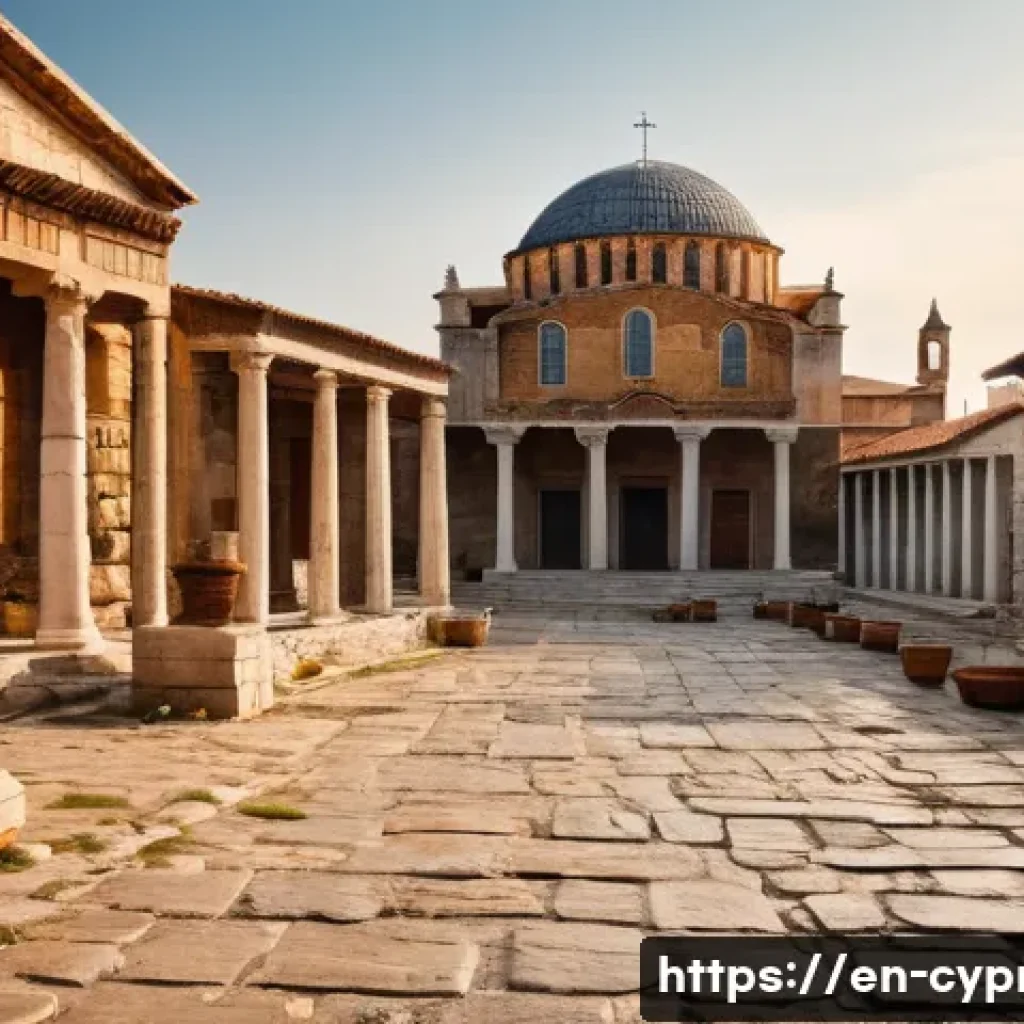
Cyprus is a treasure trove of history, where ancient cities whisper stories from millennia ago. Exploring its old towns reveals layers of cultures, from Greek and Roman influences to medieval Byzantine charm.
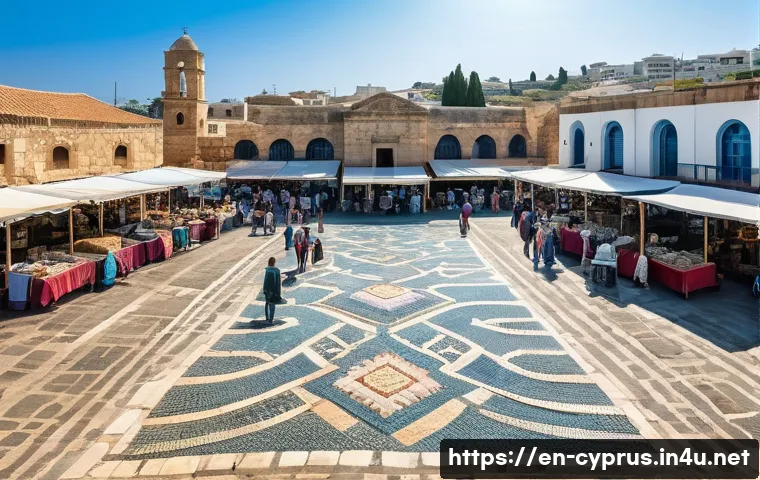
These cities not only showcase stunning archaeological sites but also vibrant local traditions that have stood the test of time. Wandering through narrow streets, you can almost feel the pulse of civilizations that shaped this island.
If you’re fascinated by history and culture, Cyprus’s ancient towns offer an unforgettable journey. Let’s dive deeper and uncover the secrets of these timeless places!
Exploring the Architectural Marvels of Ancient Cyprus
Roman and Byzantine Influences in Urban Layouts
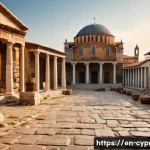
Cyprus’s ancient towns vividly display how Roman and Byzantine architectural styles shaped their urban fabric. Walking through the streets, you’ll notice the classic grid patterns that the Romans favored, designed for both defense and social interaction.
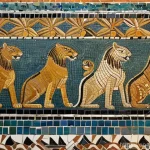
Public spaces like agoras and forums were the heart of city life, often surrounded by imposing columns and intricate mosaics. Byzantine contributions added a spiritual layer with churches that boast stunning frescoes and domed ceilings.
These architectural elements not only provided functionality but also communicated the religious and political power of their times. Personally, I found wandering through these ancient streets felt like stepping into a living museum where every corner tells a story of a complex past.
Preserved Ruins and What They Reveal
The ruins scattered around Cyprus’s old towns offer more than just photo opportunities; they’re windows into everyday life centuries ago. From the remains of villas with elaborately tiled floors to amphitheaters where citizens once gathered for entertainment, each site reveals details about social hierarchy, economy, and cultural practices.
For example, the well-preserved city of Salamis offers a rich tapestry of ruins, including baths, gymnasiums, and temples, each telling a piece of the island’s diverse history.
Experiencing these sites firsthand gave me a sense of awe at the craftsmanship and urban planning that endured so long despite the passage of time.
Integrating Ancient and Modern Life
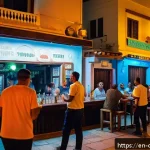
What’s fascinating about Cyprus’s ancient towns is how they blend seamlessly with modern life. Local markets, cafes, and artisan shops thrive alongside archaeological remains, creating a unique atmosphere where history feels alive and relevant.
This coexistence allows visitors like me to enjoy authentic Cypriot culture while being surrounded by relics of the past. It’s this blend that makes exploring the island’s old towns so special – you’re not just seeing ruins in isolation; you’re engaging with a living community that honors its heritage while embracing the present.
Unraveling the Cultural Traditions Rooted in History
Local Festivals That Celebrate Ancient Heritage
Cyprus’s old towns are vibrant hubs during traditional festivals that honor centuries-old customs. Events like the Anthestiria flower festival or the medieval-inspired fairs in places like Famagusta bring history to life through music, dance, and local cuisine.
Participating in these festivities, I noticed how deeply the community values its cultural roots, preserving folklore and rituals that have been passed down through generations.
These celebrations provide a dynamic way to connect with the island’s heritage beyond static monuments, creating immersive experiences that resonate emotionally.
Craftsmanship Passed Through Generations
Walking through the narrow streets, you’ll often encounter artisans practicing crafts that have survived since antiquity. Pottery, lace-making, and icon painting are not only artistic expressions but also living traditions that sustain local identity.
I had the chance to watch a potter in Lefkara, whose techniques were astonishingly similar to those used hundreds of years ago. This hands-on connection to history through crafts adds a tactile dimension to exploring Cyprus’s past, making it feel tangible and immediate.
Food as a Living History
Cypriot cuisine in ancient towns is another cultural treasure reflecting the island’s diverse influences. Traditional dishes, often prepared with recipes dating back to Byzantine or Ottoman periods, tell stories of trade, migration, and adaptation.
Sampling halloumi cheese, freshly baked bread, and meze platters in a centuries-old tavern gave me a delicious insight into how food preserves cultural memory and continues to bring communities together.
The Role of Religious Monuments in Preserving History
Byzantine Churches and Their Artistic Legacy
The Byzantine churches scattered across Cyprus are not just places of worship but remarkable repositories of art and history. Their walls, adorned with vivid frescoes and icons, narrate biblical stories while reflecting the island’s religious and political shifts over centuries.
Visiting these churches, I was struck by the intricate craftsmanship and the way these sacred spaces have been meticulously preserved or restored, often by local communities who see them as vital links to their ancestors.
Monasteries as Cultural Strongholds
Monasteries on the island served as centers of learning and cultural preservation during turbulent times. They housed manuscripts, artworks, and traditions that safeguarded Cypriot identity through invasions and occupations.
The Kykkos Monastery, for example, is famed not only for its religious significance but also for its collection of icons and its role in education. Experiencing the tranquility and historical weight of these monastic sites gave me a deeper appreciation for how religion and culture intertwine on the island.
Religious Pilgrimage and Community Identity
Pilgrimage routes to sacred sites in Cyprus have been trodden for centuries, reinforcing community bonds and cultural continuity. These journeys are more than spiritual exercises; they are acts of cultural affirmation that connect modern-day Cypriots with their historical roots.
I witnessed how these pilgrimages are accompanied by traditional music, storytelling, and communal meals, creating rich cultural moments that keep ancient customs alive.
The Strategic Importance of Coastal Towns in Antiquity
Ports as Gateways for Trade and Culture
Cyprus’s coastal ancient towns were crucial trading hubs that linked the Mediterranean world. Ports like Paphos and Salamis facilitated the exchange of goods, ideas, and cultures, making the island a melting pot of influences from Greece, Egypt, and the Near East.
Exploring these harbor towns today, I could still sense the vibrant energy that once animated their docks, imagining merchants negotiating and sailors sharing stories from distant lands.
Fortifications and Maritime Defense
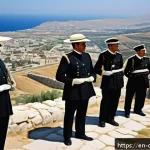
The strategic location of Cyprus meant its coastal towns were heavily fortified to protect against invasions. City walls, watchtowers, and castles remain as testaments to the island’s military history.
Walking along these fortifications, I could appreciate the blend of architectural ingenuity and strategic planning that helped safeguard the island through centuries of conflict.
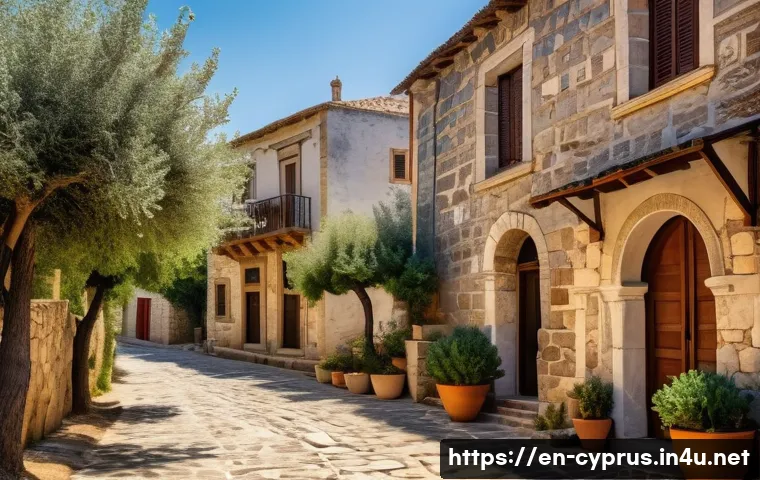
Fishing Traditions Rooted in Antiquity
Fishing has been a staple livelihood in Cyprus’s coastal towns since ancient times. The techniques and tools used have evolved, but many traditional practices remain intact.
Visiting fishing villages, I saw how the sea continues to shape local culture and economy, linking present-day communities with their maritime heritage in a very tangible way.
Ancient Cypriot Markets: Hubs of Social and Economic Life
Marketplace Architecture and Design
Ancient marketplaces in Cyprus were not just centers for commerce but social hubs where citizens gathered to exchange news and ideas. These markets were often strategically located near city centers or ports, designed with open spaces and covered stalls to accommodate a bustling crowd.
When I visited the remains of these marketplaces, I was struck by how their layout encouraged community interaction, reflecting the social fabric of the time.
Trade Goods and Their Cultural Significance
The goods sold in ancient Cypriot markets ranged from everyday necessities to luxury items imported from afar, illustrating the island’s role in regional trade networks.
Items like olive oil, wine, pottery, and textiles reveal not only economic activity but also cultural preferences and social status. Learning about these trade goods helped me understand the interconnectedness of ancient Cyprus with the broader Mediterranean world.
Social Dynamics and Market Life
Markets were lively scenes where merchants, artisans, and customers from diverse backgrounds mingled, creating a dynamic social environment. I imagined how the lively chatter, bargaining, and performances would have brought the city’s pulse to life.
This vibrant atmosphere is still echoed in modern Cypriot bazaars, preserving a centuries-old tradition of commerce and community.
Preservation Efforts and Modern Engagement with Heritage
Archaeological Excavations and Discoveries
Ongoing archaeological work in Cyprus’s ancient towns continues to unearth fascinating finds that deepen our understanding of the island’s past. Excavations often reveal new layers of history, challenging previous assumptions and highlighting the complexity of Cypriot civilization.
I’ve followed reports of recent digs where mosaics, inscriptions, and artifacts have emerged, offering fresh insights and sparking renewed interest in preservation.
Community Involvement in Heritage Conservation
Local communities play a crucial role in protecting and celebrating their heritage. Many towns organize volunteer programs, educational tours, and cultural events that raise awareness about the importance of conservation.
During my visits, I encountered passionate locals who shared stories and knowledge, demonstrating how heritage is not just a relic but a living, shared responsibility.
Tourism and Sustainable Heritage Management
Balancing tourism with preservation is a delicate task in Cyprus. Authorities and stakeholders are increasingly adopting sustainable practices to protect ancient sites while providing enriching experiences for visitors.
From controlled access to interpretive centers and guided tours, these efforts ensure that the historical treasures remain intact for future generations.
Experiencing these well-managed sites made me appreciate how thoughtful tourism can enhance both education and enjoyment.
| Ancient Town | Key Historical Features | Cultural Highlights | Notable Archaeological Sites |
|---|---|---|---|
| Salamis | Roman grid layout, Byzantine churches | Local festivals, traditional crafts | Amphitheater, gymnasium, baths |
| Paphos | Roman mosaics, ancient harbor | Religious monuments, market ruins | Tombs of the Kings, Odeon theater |
| Famagusta | Medieval fortifications, Venetian walls | Medieval fairs, fishing traditions | Othello’s Tower, Lala Mustafa Pasha Mosque |
| Lefkara | Byzantine churches, traditional architecture | Lace-making, pottery crafts | Historic village center |
글을 마치며
Exploring ancient Cyprus reveals a rich tapestry of history, culture, and architectural brilliance that continues to inspire today. The seamless blend of past and present invites visitors to experience not just ruins, but living traditions and vibrant communities. Whether wandering through ancient streets or engaging with local festivals, the island offers a unique journey through time that stays with you long after you leave.
알아두면 쓸모 있는 정보
1. Many ancient sites in Cyprus offer guided tours that provide deeper insight into the historical and cultural context, enhancing the visitor experience.
2. Local festivals often take place seasonally; checking dates in advance allows you to participate in authentic cultural celebrations.
3. When visiting religious monuments, respectful attire is recommended as these sites remain active places of worship.
4. Combining visits to archaeological sites with nearby markets or artisan shops supports local communities and enriches your cultural experience.
5. Sustainable tourism practices are encouraged, so following site rules helps preserve these treasures for future generations.
중요 사항 정리
Understanding Cyprus’s ancient towns requires appreciating how history, culture, and community intertwine to keep heritage alive. From Roman urban planning to Byzantine art and local crafts, these elements reflect centuries of continuous human presence and adaptation. Preservation efforts, supported by both experts and locals, ensure that this heritage remains accessible and meaningful. Visitors should approach these sites with curiosity and respect, recognizing that Cyprus’s past is not just in ruins but thriving within modern life.
Frequently Asked Questions (FAQ) 📖
Q: What are the must-visit ancient towns in Cyprus for history enthusiasts?
A: If you’re passionate about history, you can’t miss towns like Kourion, Paphos, and Famagusta. Kourion offers incredible Greco-Roman ruins with breathtaking views of the Mediterranean.
Paphos is a UNESCO World Heritage site, packed with mosaics and ancient landmarks tied to mythology. Famagusta, with its medieval walls and Gothic architecture, gives you a vivid sense of Cyprus’s Byzantine and Lusignan past.
Each town tells a unique story, so exploring them feels like stepping back through layers of time.
Q: How accessible are these ancient towns for travelers?
A: re guided tours recommended? A2: Most ancient towns in Cyprus are quite accessible by car or local transport, but having a car definitely adds flexibility to your trip.
While you can explore on your own, I found that guided tours really bring these sites to life. Guides share fascinating details about the ruins and local traditions that you might miss otherwise.
Plus, some areas have restricted access or complex layouts, so a guide helps you navigate smoothly and maximizes your experience.
Q: What local traditions or cultural experiences can visitors expect in these historic towns?
A: Beyond the ruins, these towns pulse with living culture. You’ll find traditional crafts like pottery and weaving still practiced, as well as authentic Cypriot cuisine served in family-run tavernas.
Festivals celebrating saints or harvests often take place in the old squares, offering vibrant music, dance, and communal spirit. From chatting with locals to tasting homemade halloumi, these cultural touches add warmth and depth to your historical adventure.