Paphos Archaeological Park: A Journey Through TimeStepping into the Paphos Archaeological Park feels like walking straight into a history book. Located on the western coast of Cyprus, this UNESCO World Heritage site offers a fascinating glimpse into the island’s rich past, spanning from prehistoric times to the Middle Ages.
As someone who has always been captivated by ancient civilizations, I found myself completely mesmerized by the intricate mosaics, the imposing ruins of Roman villas, and the echoes of stories from centuries ago.
What’s particularly striking is how well-preserved some of these structures are, offering a tangible connection to the people who once walked these very grounds.
Experts are even using cutting-edge technology like AI to better understand and preserve these invaluable artifacts, suggesting that future discoveries and deeper insights await us within these ancient stones.
With tourism trends leaning towards experiential travel, the park is becoming increasingly popular, and rightly so. Let’s delve deeper into the wonders of Paphos Archaeological Park below!
Alright, let’s dive deeper into the wonders of Paphos Archaeological Park.
Unveiling the Mosaic Masterpieces
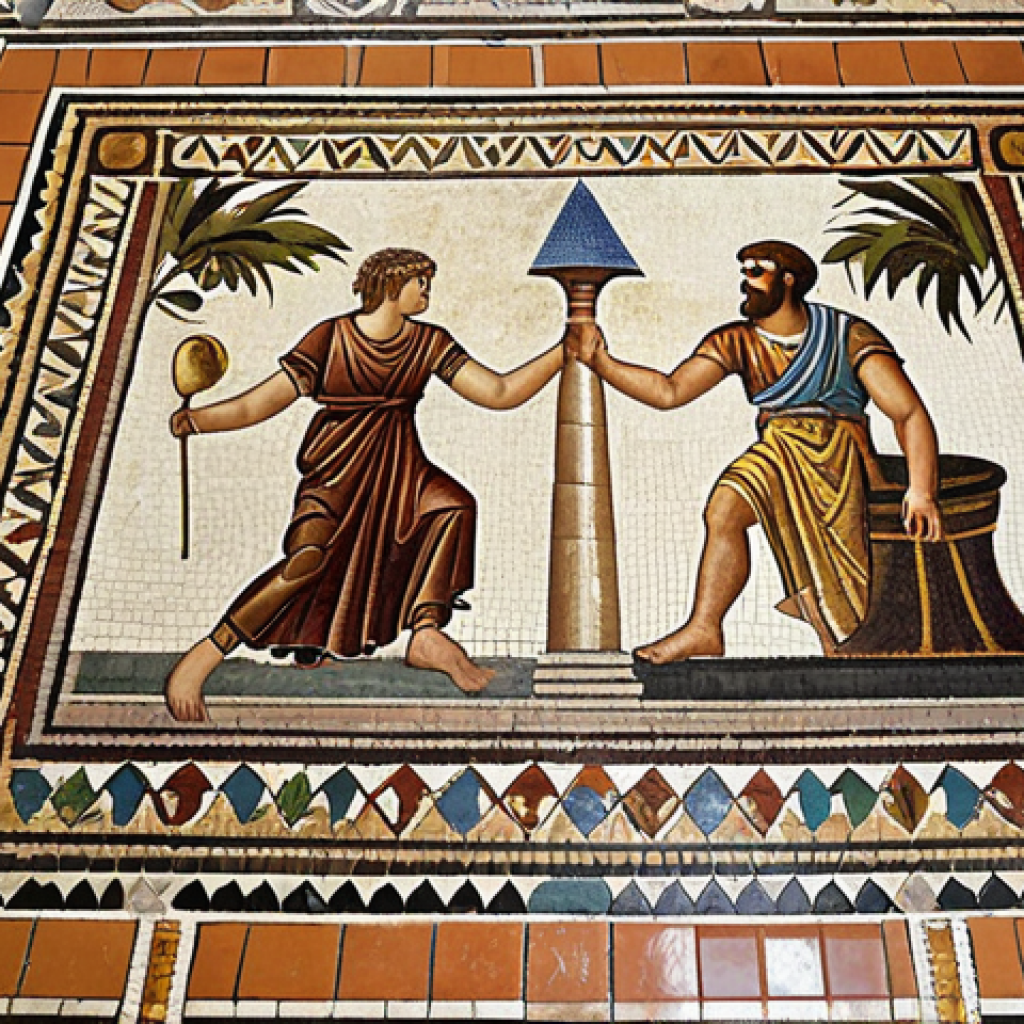
The mosaics within the Roman villas of Paphos are arguably the park’s most stunning feature. Having wandered through these ancient homes, I was struck by the sheer artistry and detail preserved in each tiny tile.
The vibrant colors and intricate scenes depicting mythological stories and everyday life offer an unparalleled window into the Roman period. I remember staring, mesmerized, at the mosaic of Pyramos and Thisbe in the House of Dionysos, marveling at how the artists managed to capture such emotion and movement with mere fragments of stone.
It is as if they are telling the stories of the past that you can hear in whispers when you look closely at these ancient masterpieces. To think that these mosaics were once the floors upon which people lived, laughed, and went about their daily lives, is a humbling thought.
The House of Dionysos: A Celebration of Wine and Myth
The House of Dionysos, named after the god of wine, is perhaps the most famous of the Roman villas. Its extensive mosaic floors showcase scenes from Greek mythology, particularly those related to Dionysos.
Walking through the villa, you can almost imagine the lavish banquets and celebrations that once took place here. The details in the mosaics, like the texture of the grapes or the folds in the characters’ clothing, are incredibly lifelike.
I particularly enjoyed trying to decipher the various mythological stories depicted, each one a miniature work of art.
The House of Aion: A Glimpse into Ancient Beliefs
The House of Aion is another villa that boasts stunning mosaics, though its themes are slightly different. The mosaics here depict scenes related to Aion, the god of eternity and cyclical time.
These mosaics are more complex and philosophical, offering insights into the religious beliefs of the time. One particularly striking mosaic shows the Judgment of Paris, a pivotal moment in Greek mythology.
The vibrant colors and dynamic composition of the scene are truly remarkable, making it a must-see for any visitor to the park.
Preservation Efforts: Protecting the Past for the Future
The preservation of these mosaics is an ongoing challenge, requiring careful conservation efforts to protect them from the elements and the passage of time.
I was impressed by the dedication of the archaeologists and conservators working at the park, who are using the latest techniques to ensure that these treasures are preserved for future generations.
The use of protective shelters and climate-controlled environments helps to minimize the damage caused by exposure to sun, wind, and rain. Their work ensures that visitors like myself can continue to marvel at these ancient masterpieces for years to come.
Exploring the Ancient Agora: A Hub of Commerce and Community
The Agora, or marketplace, was the heart of ancient Paphos, a bustling hub of commerce, social interaction, and civic life. As I wandered through the remains of this once-thriving area, I could almost hear the echoes of merchants hawking their wares, citizens engaging in lively debates, and the general hustle and bustle of daily life.
The Agora provides a fascinating glimpse into the everyday lives of the people who lived here centuries ago. It’s easy to imagine the Agora when you put yourself in the shoes of an ancient resident.
The Odeon: A Stage for Music and Drama
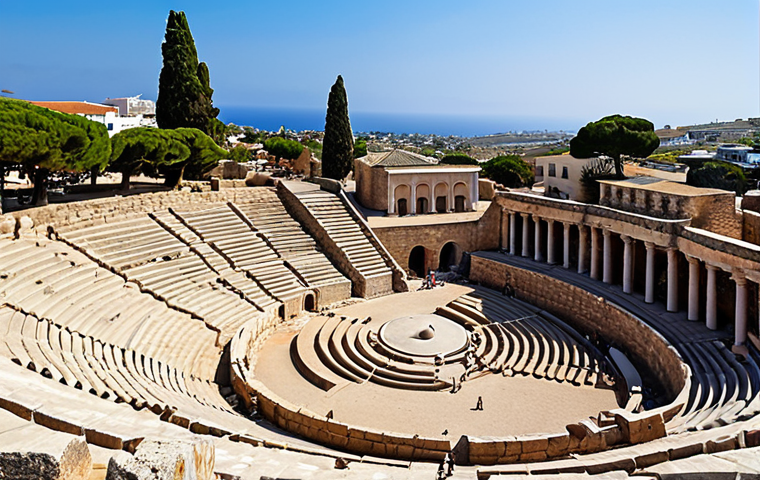
Located within the Agora, the Odeon is a well-preserved theater that once hosted musical performances and dramatic productions. I sat on the ancient stone benches, imagining the actors reciting their lines and the audience cheering and applauding.
The Odeon is a testament to the importance of the arts in ancient Paphos, providing a space for entertainment and cultural expression. Its amazing to think that so many years ago, people gathered here to enjoy the arts just like we do today.
The Asklepion: A Sanctuary of Healing
Adjacent to the Agora is the Asklepion, a sanctuary dedicated to Asklepios, the god of medicine. This was a place where people came to seek healing and medical treatment.
The remains of the Asklepion include a complex of buildings, including a temple, baths, and treatment rooms. Walking through the ruins, I could almost feel the sense of hope and healing that must have permeated this sacred space.
This sanctuary was truly the center for health and wellbeing.
The Significance of Trade Routes
Paphos’s strategic location made it a crucial hub for trade in the ancient world. The Agora served as a vital marketplace for goods from across the Mediterranean.
I learned that merchants from as far away as Egypt, Greece, and Rome would come to Paphos to trade goods such as wine, olive oil, pottery, and textiles.
The exchange of goods and ideas fostered a vibrant and cosmopolitan culture in Paphos, making it a melting pot of different cultures and influences.
The Tombs of the Kings: An Eternal Resting Place
The Tombs of the Kings, located just outside the main archaeological park, are an impressive necropolis carved out of solid rock. Despite the name, these tombs were not actually used to bury kings, but rather high-ranking officials and wealthy citizens.
The tombs are elaborate and imposing, resembling the houses of the living, with courtyards, columns, and intricate carvings. Exploring these ancient tombs, I felt a sense of awe and reverence, contemplating the lives and legacies of those who were laid to rest here.
It is a silent city of the dead, each tomb telling its own unique story.
Architectural Marvels: Carved from Solid Rock
The most striking feature of the Tombs of the Kings is the fact that they were carved entirely out of solid rock. The skill and craftsmanship required to create these elaborate tombs is truly remarkable.
Walking through the tombs, I was amazed by the precision and attention to detail in the carvings, from the Doric columns to the intricate friezes. The tombs are a testament to the ingenuity and artistic talent of the ancient Cypriots.
Funerary Rituals: Honoring the Deceased
The tombs provide valuable insights into the funerary rituals and beliefs of the ancient Cypriots. Artifacts found within the tombs, such as pottery, jewelry, and personal belongings, suggest that the deceased were buried with items that they would need in the afterlife.
The tombs also include niches and alcoves where offerings were placed for the deceased. These rituals reflect a deep respect for the dead and a belief in the continuation of life beyond the grave.
A UNESCO World Heritage Site: Protecting a Cultural Treasure
The Tombs of the Kings are a UNESCO World Heritage Site, recognized for their outstanding universal value. The site is carefully managed and protected to ensure that it is preserved for future generations.
Visitors are encouraged to explore the tombs respectfully and to learn about the history and significance of this ancient necropolis. The preservation efforts help to maintain the integrity of the site and to prevent damage from erosion and vandalism.
The Early Christian Basilica: Echoes of Faith
The remains of the Early Christian Basilica offer a glimpse into the island’s transition from paganism to Christianity. Standing among the ruins, I could imagine the early Christians gathering to worship in this sacred space.
The basilica is a reminder of the enduring power of faith and the profound changes that swept through the region during the early centuries of Christianity.
The simple yet profound space allows visitors to reconnect with the spiritual roots of the area.
Architectural Features: A Blend of Styles
The basilica showcases a blend of architectural styles, reflecting the influences of both Roman and Byzantine traditions. The basilica features a central nave, side aisles, and an apse, typical of early Christian churches.
The use of columns, arches, and mosaics reflects the Roman architectural style, while the overall layout and design are influenced by Byzantine traditions.
This fusion of styles creates a unique and compelling architectural statement.
The Significance of Mosaics: Depicting Religious Themes
Like the Roman villas, the basilica also features mosaics, though their themes are primarily religious. The mosaics depict scenes from the Bible, as well as symbols and motifs associated with Christianity.
These mosaics served as a visual aid for worshipers, helping to convey the teachings and stories of the Christian faith. The vibrant colors and intricate designs of the mosaics added to the beauty and sacredness of the space.
The Spread of Christianity: A Turning Point in History
The construction of the Early Christian Basilica marked a significant turning point in the history of Paphos, as Christianity gradually replaced the traditional pagan religions.
The basilica served as a center for the spread of Christianity throughout the region, attracting converts and solidifying the faith’s presence in Cyprus.
The basilica is a symbol of the enduring legacy of Christianity in the island’s cultural and religious landscape.
Practical Information for Your Visit
Planning a trip to the Paphos Archaeological Park? Here are some useful tips to enhance your experience.
| Category | Details |
|---|---|
| Opening Hours | Typically 8:30 AM to 5:00 PM (hours may vary seasonally) |
| Entrance Fee | €4.50 (subject to change) |
| Best Time to Visit | Spring or Autumn (avoid the summer heat) |
| What to Wear | Comfortable shoes, hat, sunscreen |
| Facilities | Restrooms, water fountains, limited shade |
| Accessibility | Some areas are wheelchair accessible, but the terrain can be uneven |
Unearthing Hidden Gems
Beyond the well-known sites, the Paphos Archaeological Park holds numerous hidden gems waiting to be discovered. As I explored the park, I stumbled upon lesser-known ruins and artifacts that offered unique insights into the island’s past.
Taking the time to wander off the beaten path can lead to unexpected discoveries and a deeper appreciation for the park’s rich history. These small, undiscovered marvels really enhance your experience.
The Saranda Kolones Fortress: A Medieval Stronghold
The Saranda Kolones Fortress, or Forty Columns Fortress, is a medieval castle located within the archaeological park. The fortress was built in the 7th century AD to protect Paphos from Arab raids.
Although much of the fortress is now in ruins, its remains still offer a glimpse into the island’s medieval past. Climbing to the top of the fortress, I was rewarded with panoramic views of the surrounding area.
The Ancient Walls of Paphos: Protecting the City
The remains of the ancient walls of Paphos can still be seen in various parts of the archaeological park. These walls once encircled the city, providing protection from invaders.
Walking along the walls, I could imagine the guards standing watch, ready to defend the city from attack. The walls are a reminder of the importance of Paphos as a strategic and commercial center in the ancient world.
The Rock-Cut Tombs: Simple Yet Striking
In addition to the elaborate Tombs of the Kings, the archaeological park also contains numerous rock-cut tombs that are simpler in design but equally fascinating.
These tombs were carved directly into the rock, often with little or no ornamentation. Exploring these tombs, I felt a sense of connection to the ordinary people who were laid to rest here, their stories etched into the very stones.
Reflections on a Journey Through Time
Visiting the Paphos Archaeological Park was more than just a sightseeing trip; it was a journey through time. The park offers a tangible connection to the past, allowing visitors to walk in the footsteps of ancient civilizations and to imagine what life was like centuries ago.
From the intricate mosaics to the imposing ruins, every corner of the park tells a story, inviting visitors to explore, discover, and learn. I left the park with a deeper appreciation for the rich history and cultural heritage of Cyprus.
It is a place that will stay with me long after I have left, inspiring me to continue exploring the wonders of the ancient world.
In Conclusion
My visit to the Paphos Archaeological Park was more than just a historical tour; it was a profound journey through the ages. The echoes of ancient civilizations resonate throughout the park, allowing a unique connection to the past. Whether marveling at intricate mosaics or wandering through the ruins of ancient structures, the park offers an unforgettable experience that deepens one’s appreciation for Cyprus’ rich cultural heritage. It’s an adventure that will undoubtedly stay with me, inspiring further explorations into the wonders of the ancient world.
Useful Tips
1. Consider purchasing a Cyprus Museum Pass for access to multiple archaeological sites and museums.
2. Download a map of the Paphos Archaeological Park before your visit to navigate the extensive site effectively.
3. Bring plenty of water, especially during the hot summer months, to stay hydrated as you explore.
4. Check for local festivals or events happening in Paphos during your visit for an added cultural experience.
5. Use public transportation or rent a car to easily access the Paphos Archaeological Park and other attractions in the area.
Key Takeaways
The Paphos Archaeological Park is a UNESCO World Heritage Site featuring well-preserved Roman villas with stunning mosaics, an ancient Agora, and the Tombs of the Kings. The park offers valuable insights into the history and culture of ancient Paphos, making it a must-visit destination for history enthusiasts and travelers alike. Ensure you allocate at least half a day to fully appreciate the sites and bring comfortable shoes, a hat, and sunscreen for protection against the sun.
Frequently Asked Questions (FAQ) 📖
Q: How much time should I budget for visiting Paphos
A: rchaeological Park to really soak it all in? A1: Honestly, you could easily spend half a day there and still not see everything. When I went, I allocated about four hours, but I felt like I could’ve used another couple just wandering around, especially if you’re into photography or just chilling and imagining what life was like back then.
There’s a lot of ground to cover, and each villa, amphitheater, and mosaic deserves a good look. Plus, the Cyprus sun can be intense, so factor in breaks for water and shade.
Q: Are there any guided tours available at the Paphos
A: rchaeological Park, or am I better off exploring on my own? A2: I’d say it depends on your style. I personally preferred wandering around solo, just because I like to take my time and get lost in the details.
But, I did notice some groups with guides who seemed to be getting a ton of insider info and historical context that I definitely missed. If you’re a history buff or want a deeper understanding of what you’re seeing, a guided tour is probably the way to go.
Just make sure to book in advance, especially during peak season, as they tend to fill up quickly. On the other hand, if you enjoy the freedom of exploring at your own pace and doing your own research beforehand, then going solo could be just as rewarding.
Q: Is Paphos
A: rchaeological Park accessible for people with mobility issues, like those using wheelchairs or with limited mobility? A3: This is something to consider before you go.
While the park is mostly flat, the terrain is uneven, with lots of loose gravel and stones. I saw some people struggling a bit, especially around the mosaic areas.
There are some paved paths, but they don’t cover the entire site. Honestly, I wouldn’t recommend it for wheelchairs without assistance, and even then, it would be challenging.
It’s best to check the official website or call ahead to inquire about accessibility options and any available assistance before planning your visit. You might want to focus on specific areas that are easier to navigate.
📚 References
Wikipedia Encyclopedia
구글 검색 결과
구글 검색 결과
구글 검색 결과
구글 검색 결과
구글 검색 결과