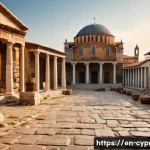
Cyprus, a sun-kissed island in the Mediterranean, boasts a rich and layered history that often surprises visitors. Beyond the ancient Greek and Roman ruins, there’s a lesser-known, yet equally fascinating, chapter: the Jewish heritage of Cyprus.
From ancient communities to more recent migrations, the island has been a crossroads for Jewish culture and tradition for centuries. I remember stumbling upon a beautiful, albeit unassuming, synagogue in Larnaca during my travels – a testament to this enduring legacy.
Who knew such history existed on this popular holiday destination? Recent trends show a growing interest in uncovering these hidden cultural gems, as travelers seek more authentic and meaningful experiences.
Let’s delve deeper into this intriguing aspect of Cypriot history in the article below.
Echoes of Ancient Footsteps: Unearthing the Earliest Jewish Presence
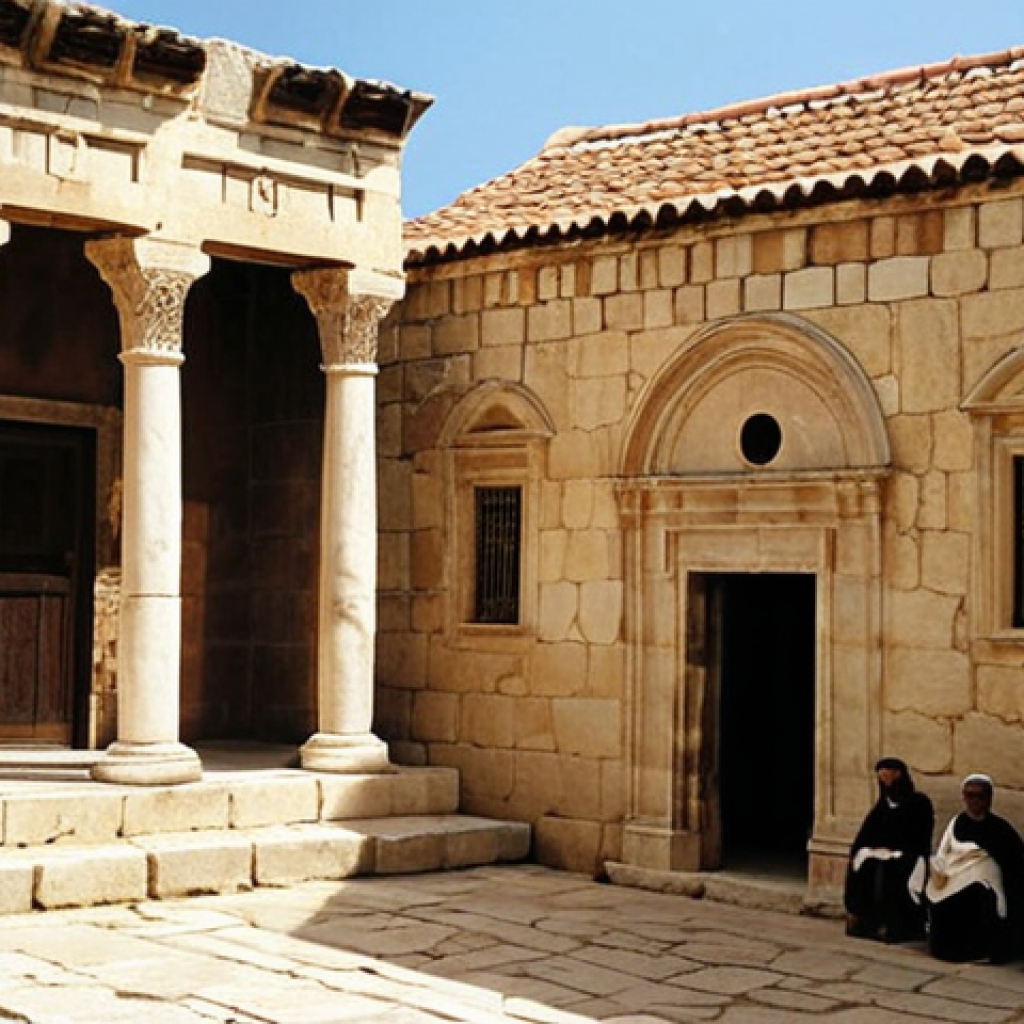
Exploring Cyprus often feels like peeling back layers of time, each revealing a new facet of its vibrant past. While many associate the island with Greek mythology and Roman grandeur, the echoes of ancient Jewish communities resonate just beneath the surface.
Imagine my surprise when I stumbled upon references to Cypriot Jews in historical texts dating back to the Hellenistic and Roman periods! These weren’t just passing mentions; they spoke of established communities with synagogues and active participation in the island’s economy.
The Allure of Cyprus: A Haven for Jewish Settlers
What drew these early Jewish settlers to Cyprus? It seems the island’s strategic location as a trading hub played a significant role. Cyprus offered access to both Eastern and Western markets, making it an attractive destination for merchants and artisans.
Plus, the relative stability and tolerance of the ruling powers likely contributed to its appeal. I can picture these pioneers arriving on Cypriot shores, seeking new opportunities and a place to build their lives while maintaining their cultural identity.
It is quite impressive, and moving, to imagine Jewish people settling there thousands of years ago.
Archaeological Clues: Piecing Together the Past
Unearthing concrete evidence of these early communities has been a fascinating archaeological endeavor. Excavations have revealed remnants of synagogues, inscriptions with Jewish names, and artifacts that provide glimpses into their daily lives.
During a visit to the Cyprus Museum in Nicosia, I was particularly struck by a collection of ancient oil lamps, some bearing symbols that suggested Jewish ownership.
These small, everyday objects offer a tangible connection to the people who once walked these same streets centuries ago. It’s like holding a piece of their history in your own hands.
Through Byzantine Tides: Navigating Shifting Fortunes
The Byzantine era brought both opportunities and challenges for the Jewish community in Cyprus. While periods of relative tolerance allowed them to prosper, there were also times when religious persecution threatened their existence.
It is difficult to overstate the degree to which the history of Cyprus is checkered, with its various peoples and cultures finding themselves in positions of power, and then, just as quickly, in positions of precarity.
Think of this ebb and flow of fortune as a tide that shifts over a beach; at times, you are swimming easily, and at times you are struggling to catch your breath.
Flourishing Amidst Trade and Commerce
Despite the uncertainties, the Jewish community continued to play a vital role in the island’s economy, particularly in trade and commerce. Their connections to Jewish communities in other parts of the Byzantine Empire facilitated the exchange of goods and ideas, contributing to Cyprus’s economic vitality.
I think of this as a particularly interesting aspect of the history of Cyprus, in that the people were so often interconnected with far-flung communities.
The historical record suggests that this was not always a source of strength for the country.
Facing Religious Persecution: Resilience and Survival
However, the rise of Christian influence in the Byzantine Empire also led to periods of religious persecution. Jewish people faced pressure to convert to Christianity, and their rights were often restricted.
Despite these challenges, they demonstrated remarkable resilience, maintaining their faith and traditions in the face of adversity. I learned a great deal, in researching these periods of Cypriot history, about how the Jewish community organized itself in a way that would allow it to withstand the test of time, and that it would continue to contribute to the civic and economic life of Cyprus, albeit often from the margins.
Under Venetian Rule: A Chapter of Renewed Growth
The Venetian period marked a new chapter for the Jewish community in Cyprus, characterized by renewed growth and prosperity. The Venetians, primarily interested in economic gain, often adopted a more pragmatic approach towards religious minorities, creating a more favorable environment for Jewish merchants and artisans.
Economic Opportunities and Cultural Exchange
The Venetians’ focus on trade and commerce opened up new opportunities for Jewish people in Cyprus. They became involved in various industries, including textiles, agriculture, and shipping, contributing to the island’s economic expansion.
This is reflected in the historical record, which often speaks of Jewish people as “merchants” and “traders.” I suspect this is due not only to the fact that they were merchants and traders, but also because they were seen as “outsiders” by the powers that be in Cyprus.
It is a shame, but I believe this is likely the truth.
Interactions with Venetian Society
The increased interaction between Jewish and Venetian communities led to a fascinating exchange of cultural ideas and practices. Jewish people adopted aspects of Venetian culture, while also maintaining their own unique traditions.
This cultural fusion added another layer to the rich tapestry of Cypriot society. My own observations of the culture of Cyprus today suggest that these sorts of interactions are the norm, not the exception.
There is a real sense of exchange and openness there.
The Ottoman Conquest: A Period of Uncertainty
The Ottoman conquest of Cyprus in the 16th century brought a new period of uncertainty for the Jewish community. While the Ottomans generally practiced religious tolerance, their rule also brought new challenges and restrictions.
Navigating Ottoman Rule: Religious Tolerance and Restrictions
Under Ottoman rule, Jewish people were granted a degree of religious autonomy, allowing them to practice their faith and manage their own community affairs.
However, they were also subject to certain restrictions, such as paying a special tax and adhering to specific dress codes. The historical record speaks of a “millet” system, in which various religious communities were able to self-govern to a limited degree, but also found themselves constrained by the whims of the Ottoman leadership.
The Impact of Ottoman Policies on Jewish Life
Ottoman policies had a mixed impact on Jewish life in Cyprus. While some Jewish people thrived under Ottoman rule, others faced economic hardship and social discrimination.
The community’s overall size and influence gradually declined during this period. I believe this speaks to the general history of Cyprus, in that it has so often been a “prize” to be fought over by various empires and civilizations.
Its own people have had to adapt to circumstance in order to survive.
Modern Revival: Rebuilding Jewish Life in Cyprus
In recent years, there has been a renewed interest in reviving Jewish life in Cyprus. The establishment of a Chabad House in Larnaca and the construction of a new synagogue in Nicosia have provided a focal point for Jewish people from around the world.
The Role of the Chabad House in Larnaca
The Chabad House in Larnaca has become a vibrant center for Jewish life in Cyprus, offering religious services, educational programs, and social events.
It serves as a welcoming space for both local Jewish residents and tourists seeking a connection to their faith. I believe that this sort of institution is vital for the continuation of the Jewish religion, given that it provides a welcoming and supportive place for Jewish people to celebrate and connect with their culture.
It also provides much-needed education for those who are not Jewish, and who might be interested in learning more.
A New Synagogue in Nicosia: A Symbol of Growth
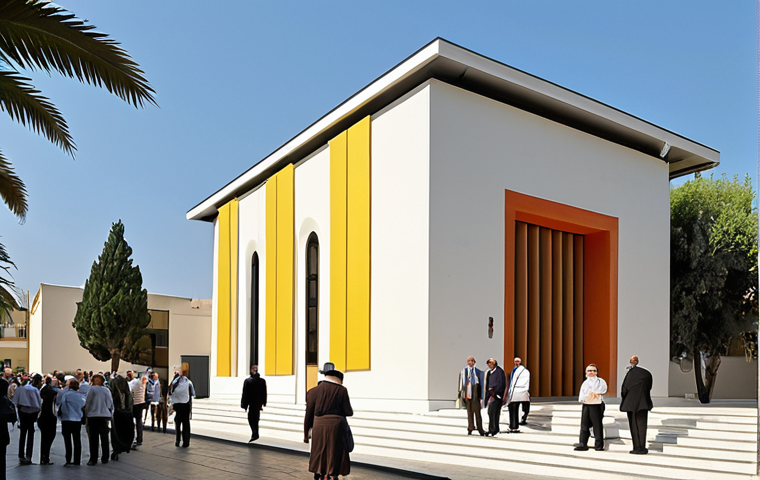
The construction of a new synagogue in Nicosia symbolizes the growth and revitalization of the Jewish community in Cyprus. It provides a modern and welcoming space for worship, study, and community gatherings.
I was quite moved when I learned of this new synagogue. It strikes me as a symbol of resilience, and a promise for the future.
Discovering Jewish Heritage Sites: A Journey Through Time
For those interested in exploring the Jewish heritage of Cyprus, there are several sites worth visiting. From ancient ruins to modern synagogues, these locations offer a glimpse into the island’s rich Jewish past.
The Larnaca Synagogue: A Testament to Enduring Faith
The Larnaca Synagogue, though unassuming from the outside, is a testament to the enduring faith of the Jewish community in Cyprus. Inside, you’ll find a welcoming space for prayer and reflection, adorned with traditional Jewish symbols.
In visiting the synagogue, you can get a sense of the continuity between the Jewish experience of the past, and the Jewish experience today. It is a truly special place.
Exploring Archaeological Remains: Uncovering Hidden Stories
Keep an eye out for archaeological sites that may contain remnants of ancient Jewish settlements. These sites offer clues about the daily lives, religious practices, and cultural traditions of the early Jewish inhabitants of Cyprus.
I think this is one of the most rewarding aspects of travel; when one gets to travel off the beaten path, and discover places that aren’t widely known or visited.
It provides a sense of wonder and specialness.
| Period | Key Events | Impact on Jewish Community |
|---|---|---|
| Ancient Period | Jewish settlers arrive in Cyprus; Establishment of synagogues | Thriving communities; Active participation in island’s economy |
| Byzantine Era | Periods of religious tolerance and persecution | Fluctuations in prosperity; Resilience in maintaining faith |
| Venetian Rule | Economic opportunities; Cultural exchange | Renewed growth; Integration into Venetian society |
| Ottoman Conquest | Religious tolerance with restrictions; Economic hardship | Gradual decline in community size and influence |
| Modern Revival | Establishment of Chabad House; Construction of new synagogue | Revitalization of Jewish life; Focal point for Jewish people worldwide |
In Closing
Exploring the Jewish history of Cyprus is like uncovering a hidden gem, revealing a story of resilience, adaptation, and cultural exchange. From ancient settlers to modern-day communities, the Jewish people have left an indelible mark on this Mediterranean island. Whether you’re a history enthusiast, a religious pilgrim, or simply a curious traveler, Cyprus offers a unique opportunity to connect with a vibrant and enduring heritage. It’s a journey through time that will leave you with a deeper appreciation for the richness and complexity of human history.
Good to Know
1. Currency: The currency used in Cyprus is the Euro (€). Be sure to exchange your currency before traveling or use ATMs upon arrival.
2. Language: The official languages are Greek and Turkish, but English is widely spoken, especially in tourist areas.
3. Transportation: Renting a car is a great way to explore the island, but buses and taxis are also available. Keep in mind that they drive on the left side of the road.
4. Accommodation: From luxurious resorts to cozy guesthouses, Cyprus offers a wide range of accommodation options to suit every budget and preference. Booking in advance is recommended, especially during peak season.
5. Local Cuisine: Don’t miss the chance to sample traditional Cypriot dishes like souvlaki, halloumi cheese, and fresh seafood. Many restaurants offer vegetarian and vegan options as well.
Key Takeaways
The Jewish history in Cyprus spans millennia, marked by periods of growth, challenges, and revival.
The island’s strategic location and diverse rulers influenced the Jewish community’s fortunes.
Archaeological sites, synagogues, and cultural centers offer insights into Jewish life in Cyprus.
The modern revival demonstrates a renewed interest in preserving and celebrating Jewish heritage.
Exploring Jewish Cyprus provides a unique perspective on the island’s rich and multicultural past.
Frequently Asked Questions (FAQ) 📖
Q: What kind of Jewish historical sites can I expect to find in Cyprus?
A: You might be surprised! Beyond the well-known archaeological sites, keep an eye out for synagogues, often tucked away in cities like Larnaca. Some are quite old, reflecting Cyprus’s long-standing Jewish presence.
You may also find cemeteries or memorials that whisper stories of past Jewish communities and their contributions to the island’s multicultural history.
It’s worth contacting local historical societies or tourist offices; they often have details on lesser-known historical gems.
Q: Is there an active Jewish community in Cyprus today?
A: Absolutely! While the numbers might not be huge compared to other European countries, Cyprus does have an active Jewish community, mainly centered in cities like Larnaca and Nicosia.
I bumped into some folks from the Chabad House in Larnaca; they seemed to be doing great work in connecting with both locals and tourists. They often hold services, holiday celebrations, and other cultural events.
If you’re looking to connect, a quick Google search for “Chabad Cyprus” should get you pointed in the right direction.
Q: If I’m interested in learning more about the Jewish history of Cyprus, what resources would you recommend?
A: That’s a great question! I’d start by checking out some academic articles or books focusing on the history of the Eastern Mediterranean. Libraries, both physical and online, can be a goldmine.
Also, don’t underestimate the power of local knowledge! I always try to chat with people who live in the area or work in local museums. You might also find some interesting information through Jewish cultural organizations or historical societies specializing in Sephardic or Mediterranean Jewish history.
They often have websites or publications detailing the experiences of Jewish communities in the region.
📚 References
Wikipedia Encyclopedia
구글 검색 결과
구글 검색 결과
구글 검색 결과
구글 검색 결과
구글 검색 결과